If you want to know what pages every affiliate blog needs, the short answer is this: you need pages that help people trust you, find what they need fast, and move toward a click or signup without confusion. On a WordPress blog, those pages do more than make your site look complete, they shape user experience, support legal compliance, and help convert visitors into email subscribers and buyers.
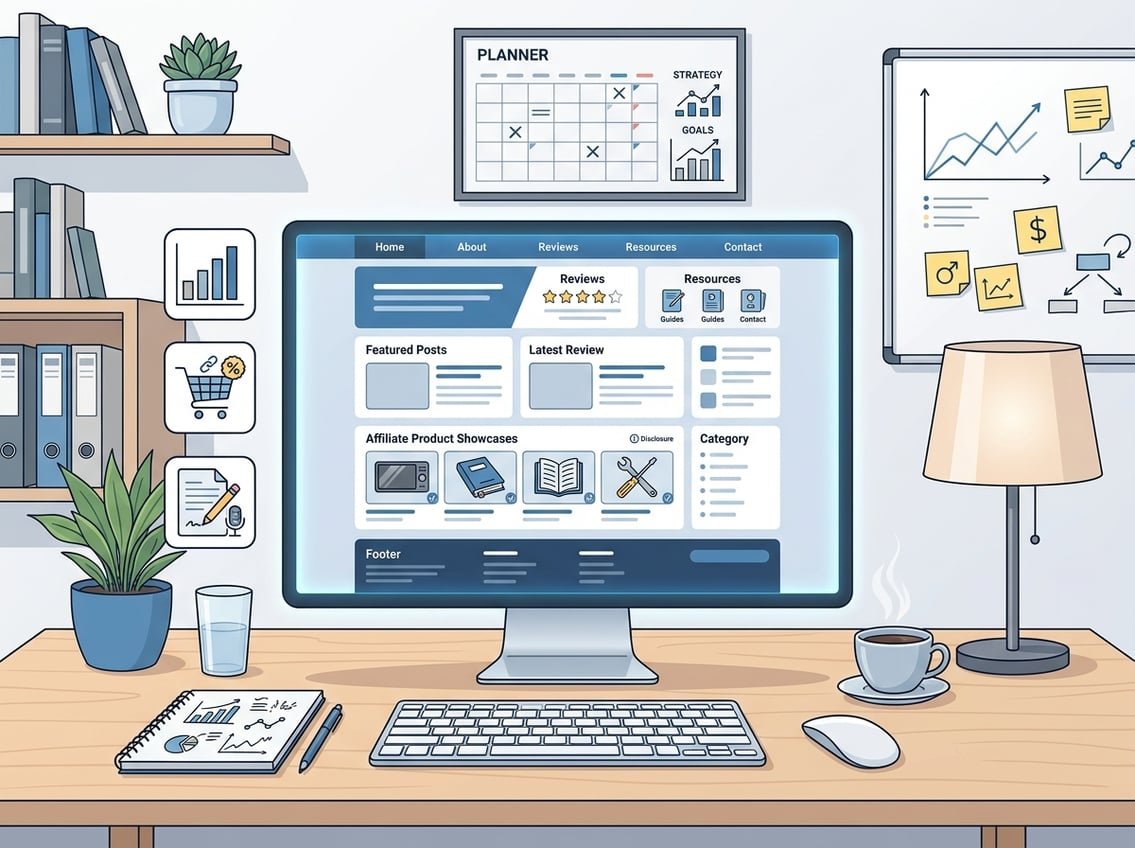
The best affiliate blogs do not rely on posts alone. They use a small set of core pages to guide first-time visitors, answer trust questions, support SEO, and give your affiliate offers a better chance to perform.
Key Takeaways
- Start with pages that build trust and guide new visitors.
- Add legal pages early if you use affiliate links.
- Use conversion pages to grow your email list and income.
The Core Pages To Launch First
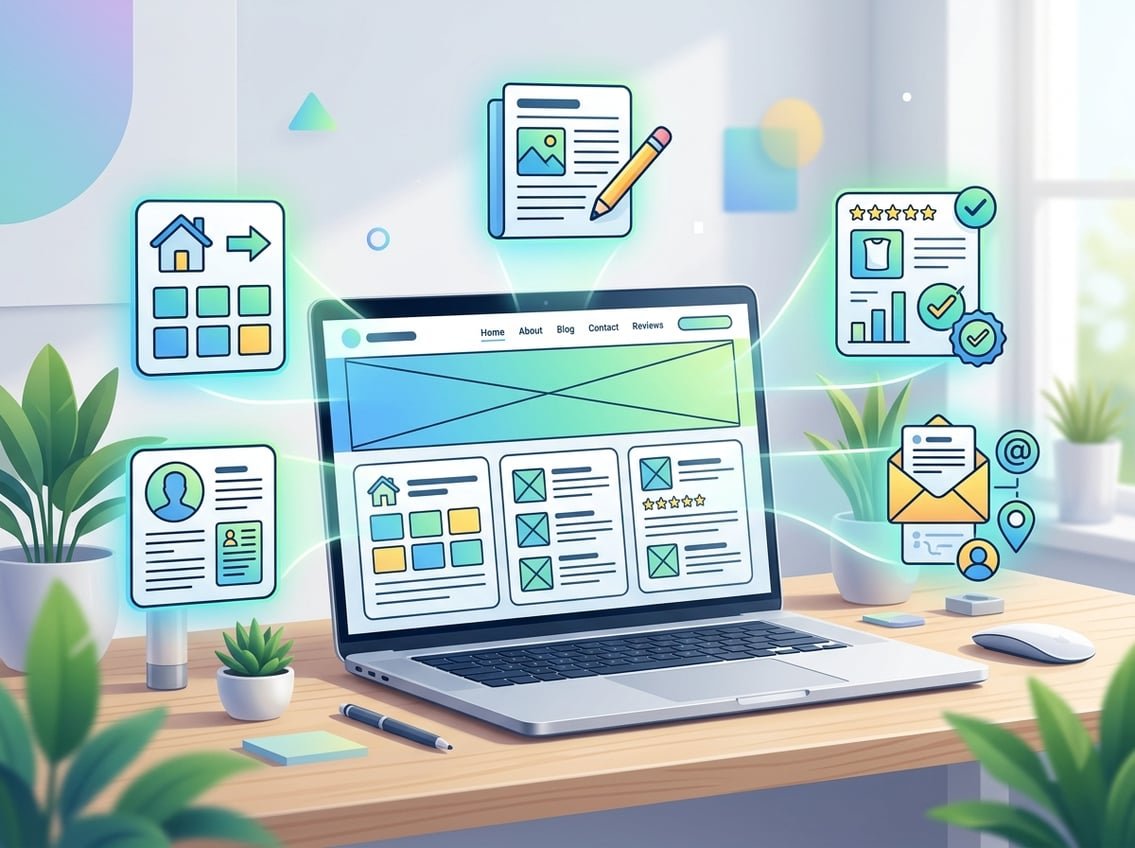
Your first pages should make your blog easy to understand within a few seconds. The goal is to help people know who you are, what you cover, and where to click next, while giving search engines a clear site structure.
For affiliate marketing, these pages also set the tone for trust before anyone sees your affiliate links.
Homepage
Your homepage should tell visitors what your blog is about and point them toward your most useful content. A clean homepage with a clear headline, strong calls to action, and links to popular posts works better than a crowded design.
If you want recurring income, your homepage should also guide people toward your email list or lead magnet. That gives you a second chance to reach them after they leave.
About Page
Your About page is where you build trust fast. Readers want to know why they should listen to you, what you focus on, and what kind of results or experience shape your advice.
Keep it clear and practical. Mention your niche, your approach, and why your recommendations are worth paying attention to.
Contact Page
Your Contact page gives readers, brands, and partners a direct path to reach you. A simple contact form is enough for most affiliate blogs, and it also makes your site feel real and reachable.
This page can help with collaboration requests, technical issues, and general reader questions. If you want to improve approval odds with affiliate programs, a visible Contact page helps.
Blog Page
Your Blog page is the main hub for your articles. It should show your latest posts, key categories, and a few popular posts so visitors can keep moving through your content.
A strong blog page helps with engagement and retention because readers can find related posts instead of leaving after one article. That matters when you want traffic to turn into affiliate clicks later.
Start Here Page
A Start Here page is one of the best pages you can add early. It helps new readers skip the guessing and go straight to the content that matters most.
This page is especially useful if your blog covers SEO, tools, tutorials, and affiliate systems. You can guide visitors to your best posts, your lead magnet, and your email list in one place.
Legal Pages That Protect Your Blog And Revenue

If you use affiliate links, you need legal pages that make your site clearer and safer. These pages support legal compliance, show transparency, and reduce risk as your traffic grows.
A basic privacy policy page and disclosure setup can save you from bigger problems later.
Privacy Policy Page
Your privacy policy page explains how you collect, use, and store visitor data. If you use email forms, analytics, cookies, or lead magnets, this page matters right away.
A privacy policy template can help you get started, but your policy should match how your site actually works. Privacy laws such as GDPR and CCPA make this page important for many sites, even small ones.
Disclaimer Page
A disclaimer page helps set expectations for your content. If you share educational content, money-related advice, or product opinions, this page adds another layer of clarity.
It is useful to state that your content is for informational purposes and that results can vary. That kind of clear language supports trust and protects you from confusion.
Affiliate Disclosure
An affiliate disclosure tells readers that you may earn a commission from affiliate links. This is a key part of affiliate marketing, and it should be easy to find near your links or in a visible site-wide location.
FTC guidance makes transparency important, and your disclosure should be plain language, not legal jargon. If you want a simple model for trust-first content, iProfitLab leans into the same no-hype approach with honest recommendations.
Terms of Service Page
A terms of service page explains the rules for using your site. It can cover content use, user behavior, and limits on liability.
This page is not always the first thing you create, yet it becomes useful once your site grows, especially if you add email signups, digital products, or community features.
Pages That Improve Navigation And SEO
Strong navigation helps readers stay on your site longer, which can support both SEO and conversions. It also makes your blog feel more organized, especially when you start publishing many posts across related topics.
The goal is to help people move through your content without friction.
Categories And Archive Page
Categories help you group blog pages by topic, such as SEO, tools, email marketing, or affiliate strategy. That makes your content easier to browse and improves how readers discover related posts.
An archive page can also help, especially if your blog has a lot of content. It gives visitors a simple way to scan older posts and keeps your site more usable as it grows.
Resources Page
A resources page is one of the best affiliate pages you can build. It gives you one place to feature tools, platforms, and products you use and recommend.
For affiliate blogs, this page can support recurring income by pointing people to SaaS tools, hosting, email services, or other products with ongoing commissions. It also works well for readers who want a quick list instead of hunting through posts.
Sitemap
A sitemap helps search engines and visitors find your content. A human-readable sitemap can be useful for readers, while an XML sitemap helps search engines crawl your site more efficiently.
When your blog has many pages, a sitemap helps keep everything connected. That can support indexing, which matters when you want organic traffic from Google.
Custom 404 Page
A custom 404 page helps catch visitors when a page is missing or broken. Instead of leaving them at a dead end, you can send them back to your homepage, blog page, or key category pages.
A good 404 page improves user experience and can reduce bounce. If you have popular posts or a lead magnet, you can also use this page to keep people engaged.
Conversion Pages That Support Affiliate Growth
These pages are where your traffic starts turning into revenue. They help you convert visitors into email subscribers, buyers, or affiliate clicks without relying only on your posts.
If you want recurring income, these pages should lead people into a simple next step.
Landing Pages For Lead Magnets
Landing pages are ideal for lead magnets like checklists, templates, or short guides. The page should focus on one action, usually an email signup, so the offer stays clear.
A good lead magnet page can grow your email list faster than a general blog post. That matters because email subscribers give you a direct line for recurring affiliate promotions later.
Services Page Or Shop Page
If you sell services, ebooks, templates, or other digital products, add a services page or shop page. This gives your blog another income stream beyond affiliate marketing.
If you use WooCommerce or a simple product setup, keep the page clean and easy to scan. A clear offer helps readers decide faster and makes your site feel more complete.
Recommended Tools And Affiliate Products
This page works especially well for affiliate blogs in the WordPress and online business space. You can list the tools you actually use, explain why they matter, and point readers to your affiliate links.
That kind of page can support trust because it feels curated, not random. It also works well for recurring commissions when you recommend software, hosting, or email tools.
Email Subscriber Paths
Every affiliate blog should give visitors more than one path to join your email list. That can include a top-bar signup, a sidebar form, inline calls to action, and a dedicated subscribe page.
When you build your email list, you are not depending only on search traffic or social media. You are building a system that can bring readers back and improve conversion over time.
Authority Pages You Can Add As The Blog Grows
As your blog matures, extra pages can help you look more established. These pages support social proof, partnerships, and broader visibility, which can matter when you pitch brands or grow a media-style site.
You do not need all of them on day one, yet they can help once traffic starts to build.
Author Page
An author page gives readers and search engines more context about who is writing your content. It is useful if you publish under your name or want to show subject-matter focus.
This page can also strengthen building trust by showing your background, content focus, and best articles. For affiliate sites, that extra context can make product recommendations feel more credible.
Advertise Page
An advertise page matters if you want sponsors or display ads. It tells brands what your site covers, who your audience is, and how they can work with you.
This page can also help if you plan to mix affiliate marketing with sponsorships or Google AdSense. Clear options make your site easier to evaluate for partners.
Write For Us Page
A write for us page can help you attract guest contributors. It is a practical way to add more content coverage if you have clear submission guidelines and a strong editorial standard.
If you add this page, include what topics you accept, what quality you expect, and how to submit. That keeps your content aligned with your niche instead of letting random posts dilute your site.
Press Page
A press page is useful when you start getting mentions, interviews, or brand features. It gives you a place to collect social proof and highlight signs of authority.
This page is not required for new blogs, yet it can support credibility later. It helps readers and brands see that your site is active and recognized.
Frequently Asked Questions
Which essential pages should every blog include to look professional and trustworthy?
At minimum, you should have a homepage, About page, Contact page, Blog page, and a Start Here page. If you use affiliate links, you also need legal pages like a privacy policy and affiliate disclosure.
Those pages help people trust your site, move through it easily, and understand what you offer. They also make your blog feel more complete from the first visit.
What legal pages do I need on my blog for affiliate marketing and disclosures?
You should have a privacy policy, disclaimer page, affiliate disclosure, and terms of service page. The privacy policy is especially important if you collect emails or use cookies.
Your affiliate disclosure should be easy to notice and written in plain language. That is part of staying transparent and aligned with privacy laws and FTC rules.
How do I write an effective About page that builds credibility with readers and brands?
Keep your About page focused on who you help, what you cover, and why your advice is worth following. You can also mention your process, your tools, or the kind of results your content is designed to support.
A strong About page should feel clear, honest, and specific. If you want a practical model, the no-hype style used by iProfitLab is a good example of how to build trust without overpromising.
What should I include on a Contact page to make it easy for partners and readers to reach me?
Add a contact form, a clear email option if you want one, and short guidance on what kinds of messages you accept. If you want sponsorships or affiliate partnerships, say that directly.
You can also ask for useful details like company name, website, and proposal summary. That keeps inquiries cleaner and saves time.
Do I really need a blog to succeed with affiliate marketing, or can I do it without one?
You can do affiliate marketing without a blog, yet a blog gives you more control, more SEO potential, and more room to build trust over time. It also gives you a home for evergreen content, comparison posts, and resource pages.
A blog is especially useful if you want recurring income from email marketing and content systems. It turns your content into a long-term asset instead of a one-off post.
How long does it typically take to earn $1,000 per month from a blog, and what factors matter most?
The timeline varies a lot based on your niche, content quality, SEO, and how well you build an email list. Some blogs take months, while others take longer because they need time to rank and earn trust.
The biggest factors are traffic quality, conversion rate, and the offers you promote. A blog with the right pages, strong content, and good email follow-up can reach that level faster than one that only publishes random posts.