How often should you email your list? For most beginners, a simple weekly email is the safest place to start, then you can adjust based on engagement, content type, and list stage.
The right cadence is not a fixed rule, it is the frequency that keeps readers engaged without raising unsubscribes, spam complaints, or fatigue.
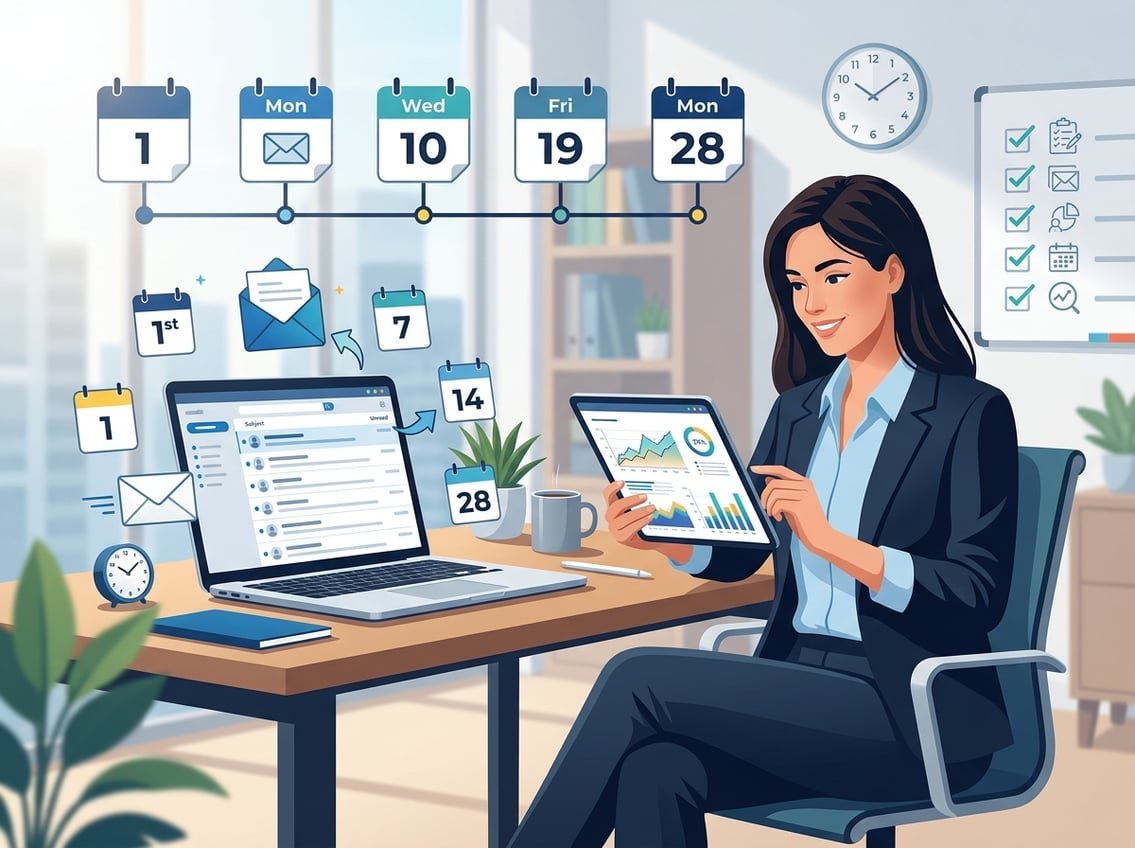
If you send too rarely, people forget you. If you send too often, they skim, ignore, or leave. The sweet spot usually comes from a mix of consistency, list segmentation, and testing, not from copying someone else’s schedule.
Key Takeaways
-
Start with one valuable email per week.
-
Send more to active readers and less to cold ones.
-
Use engagement data to adjust cadence, not guesswork.
Start With a Practical Sending Baseline

Your email cadence should begin with a baseline you can sustain. For most content-driven lists, that means one strong email per week, then a gradual move to two sends if your audience keeps responding well.
That starting point lines up with common email frequency best practices and gives you room to stay visible without creating fatigue. As Campaign Monitor notes, send timing affects opens, clicks, and revenue, and the wrong pace can push readers to skim or unsubscribe.
A Safe Starting Point for Most Lists
A weekly email works well when you are sharing blog content, SEO updates, affiliate tips, or useful tool recommendations. It is enough to stay top of mind and still gives you time to make each email worth opening.
If you are still building trust, this is usually the best email frequency to begin with. It is simple, repeatable, and easy to maintain.
When Weekly, Twice Weekly, or Daily Makes Sense
Weekly usually fits educational content and small lists. Twice weekly can work when you have a steady stream of useful content, launches, or offers.
Daily only makes sense if your audience expects fast updates, such as daily deal content, news, or a highly engaged newsletter. Campaign Monitor’s research summary points to two to three emails per week as a strong zone for many lists, while performance can trail off outside that range.
How Content Type Changes the Right Cadence
A newsletter, a promo email, and a triggered welcome message should not follow the same schedule. A blog roundup may work weekly, while a short launch sequence may need more frequent sends for a few days.
If you publish evergreen content, weekly or twice weekly is often enough. If you are running an offer, a live challenge, or a time-sensitive campaign, a short burst can be the right move.
Match Frequency to Subscriber Intent and List Stage
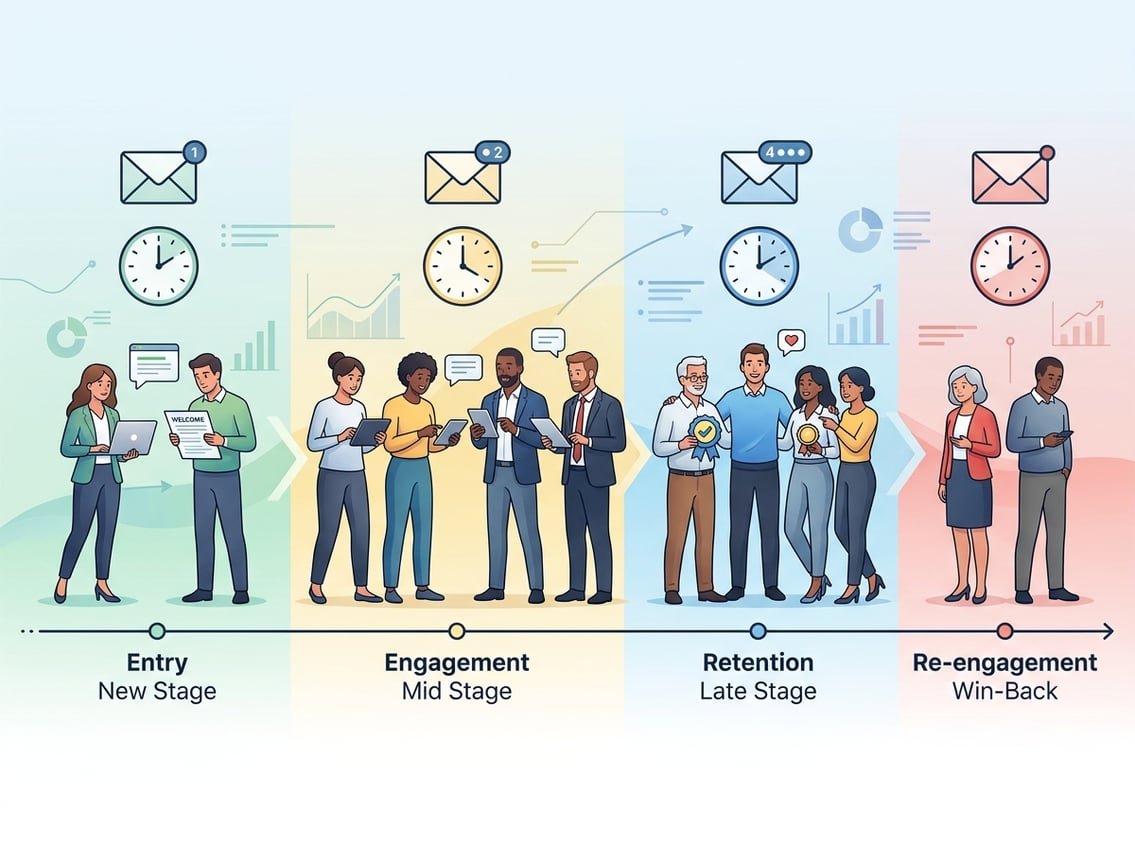
Your ideal send pace changes depending on why someone joined your list and how long they have been there. New subscribers need more guidance, while long-time readers can handle a different rhythm.
That is why the same email marketing strategy should not treat every subscriber the same. A double opt-in subscriber who just downloaded a free guide may need a slower intro than an engaged reader who opens every issue.
New Subscribers Need a Different Pace Than Long-Time Readers
New subscribers often need a welcome series that explains who you are, what you send, and why they should keep reading. This is the right time to use email automation so you do not overload them with random broadcasts.
Long-time readers can usually handle more frequent campaigns if they keep opening and clicking. A first-week subscriber and a six-month loyal reader should not receive the same amount of pressure.
Promotional, Newsletter, and Triggered Emails Should Not Follow the Same Schedule
Triggered emails, like cart recovery, lead magnet follow-up, or a re-engagement campaign, should send based on action, not on a fixed weekly rhythm. Those messages are often more relevant and can perform well even when they arrive outside your normal schedule.
Promotional emails need more care, especially if you are running affiliate offers. Newsletter emails can be broader and more educational, while trigger-based emails should stay tied to a specific event.
Let Readers Choose With a Preference Center
A preference center lets subscribers pick how often they hear from you and what they want to receive. That simple step can reduce unsubscribes and make your list feel more respectful.
If your platform supports it, use it. As Campaign Monitor recommends, letting subscribers decide their preferred pace can improve engagement because people are more likely to stay subscribed to content they expect.
Use Performance Signals to Find Your Sweet Spot
Your list will tell you when the cadence is working. Look at engagement patterns, not just total sends, because frequency changes how people respond.
Open rate, click-through rate, and conversions can show whether your pace fits. Unsubscribes and spam complaints show whether it is too much.
What Open Rate and Click-Through Rate Really Tell You
Open rate can hint at whether readers still recognize and want your emails. If opens stay stable while you increase frequency, your cadence may still be healthy.
Click-through rate matters even more. If opens stay fine but clicks drop, your audience may be reading less carefully or losing interest in the content mix.
How Unsubscribe Rate and Spam Complaints Signal Fatigue
A rising unsubscribe rate is one of the clearest signs that your frequency is too high for part of your list. Spam complaints are even more serious because they can hurt deliverability.
If people stop opening after a frequency jump, do not ignore it. That usually means your email cadence is outrunning your list’s tolerance.
Why Conversion Rate Matters More Than Vanity Metrics
A high open rate means little if your email does not drive action. Conversion rate shows whether the schedule supports your real goal, such as clicks, signups, sales, or affiliate revenue.
When I review cadence changes, I look first at click-through rate and conversion rate together. If those improve without raising unsubscribes, the new frequency is usually a better fit.
Protect Deliverability While Increasing Volume
Sending more emails can help growth, but only if your emails still reach the inbox. Email deliverability depends on sender behavior, list quality, and how subscribers respond.
Your goal is not just more sends. It is better inbox placement with fewer spam complaints.
How Sender Reputation Affects Inbox Placement
Your sender reputation helps mailbox providers decide whether your emails should land in the inbox, promotions tab, or spam folder. Consistent sending, low complaint rates, and healthy engagement all support that reputation.
If you suddenly increase volume after months of silence, inbox placement can suffer. That is why steady cadence often works better than erratic bursts.
Common Frequency Mistakes That Trigger Spam Filters
The biggest mistakes are sudden spikes, sending to inactive subscribers too often, and blasting the whole list with every email. Those habits can lower engagement and make spam filters more suspicious.
A dormant list with poor opens is a warning sign. If people have not engaged in months, sending more often to everyone is usually not the fix.
How to Ramp Up Sending Without Hurting Trust
Increase volume in small steps. If you send once a week, test twice weekly with your most engaged readers first, then watch the results before expanding.
Many email platforms, including tools like Kit’s guidance on sending frequency and volume, stress consistency and avoiding sudden changes in sending habits. That advice is worth following if you care about long-term deliverability.
Build a Smarter Schedule With Segmentation and Automation
The best email marketing systems do not send the same message to everyone. They adjust frequency based on engagement, behavior, and subscriber intent.
Segmentation and automation let you email more often without annoying the wrong people. That is a major advantage if you want recurring income from content, SaaS affiliate offers, or digital products.
Send More Often to Engaged Readers and Less to Cold Segments
Your engaged segment can usually handle more frequent sends because they still open and click. Cold subscribers need less pressure, or a re-engagement campaign before you increase volume again.
This is where simple list groups matter. A reader who clicked your last three blog emails is not the same as someone who has ignored ten messages.
Use Automated Flows Instead of Blasting Everyone
Trigger-based emails make your schedule smarter. A welcome series, cart recovery, and post-click follow-up can run in the background while your main newsletter stays steady.
This is where email automation shines, especially for creators and bloggers. You can keep your weekly cadence for general content and let automation handle the high-intent moments.
Tools and Templates That Make Consistency Easier
You do not need a complex setup to stay consistent. A basic email template builder, a clean content calendar, and solid email marketing tools can keep your workflow simple.
Platforms like Mailchimp and Beehiiv are often used for this kind of scheduling, while iProfitLab often recommends keeping the system simple enough that you can actually maintain it. A clean template and a repeatable outline make it much easier to send at the right pace.
Create a Simple Testing Plan You Can Actually Maintain
A good testing plan does not need to be complicated. You are trying to learn which cadence gets the best mix of open rate, click-through rate, unsubscribe rate, and conversion rate.
Test one change at a time so the results stay clear. If you change subject lines, content style, and frequency all at once, you will not know what caused the shift.
A 30-Day Frequency Test for Beginners
Start with your current cadence for two weeks, then increase by one extra send per week for the next two weeks. Watch how the numbers move for your most engaged readers first.
Track how often should you email in a simple note or spreadsheet, along with the response after each change. That gives you a clean record instead of relying on memory.
How to Review Results Without Overreacting
Do not react to one weak send. Look for patterns across multiple emails, because one bad subject line or one off-topic topic can distort the result.
If open rate dips a little but clicks and conversions hold, the new cadence may still be fine. If unsubscribes and spam complaints climb, that is a stronger sign to slow down.
When to Increase, Reduce, or Pause Sends
Increase when engagement stays strong and your audience keeps asking for more. Reduce when people stop opening, clicking, or staying subscribed.
Pause or reset when deliverability drops, complaints rise, or your list shows clear fatigue. The goal is not maximum volume, it is a stable system you can use for years.
Frequently Asked Questions
What’s a healthy newsletter sending cadence for most audiences?
For most lists, one email per week is a healthy starting point. If your readers stay engaged, you can test two emails per week, especially if your content is helpful and consistent.
How do I balance promotional emails with value-driven content without annoying subscribers?
Use value emails as the main rhythm and weave promotions into that schedule with purpose. If your promotions fit your audience and your content still solves a real problem, they usually feel less pushy.
What signs tell me I’m emailing too often, or not often enough?
Too often usually shows up as rising unsubscribes, lower clicks, and more spam complaints. Too little often shows up as falling opens, weaker clicks, and readers forgetting who you are.
How should my email frequency change as my list grows or subscriber engagement shifts?
As your list grows, you should segment more carefully instead of simply sending more to everyone. If engagement drops, slow down for cold subscribers and keep more frequent sends for your engaged segment.
What does the “5 email rule” mean, and when does it actually apply?
The “5 email rule” usually refers to a short sequence of five messages, often used for onboarding or a launch. It works best when each email has a clear role, such as teaching, building trust, or making an offer.
How do the “3-21-0” and “4 email” rules compare, and which one fits different email strategies?
These rules are usually shorthand for specific sequence ideas, not universal standards. They can help you plan a launch or welcome flow, yet your best email frequency still depends on audience intent, list stage, and performance data.