Pinterest Is Underrated for Affiliate Marketing Growth because it gives you something most social platforms do not, steady search-driven traffic from people who are already looking for ideas and products. If you want a system that can support affiliate marketing, blogging, SEO, and email growth at the same time, Pinterest deserves a real place in your plan.
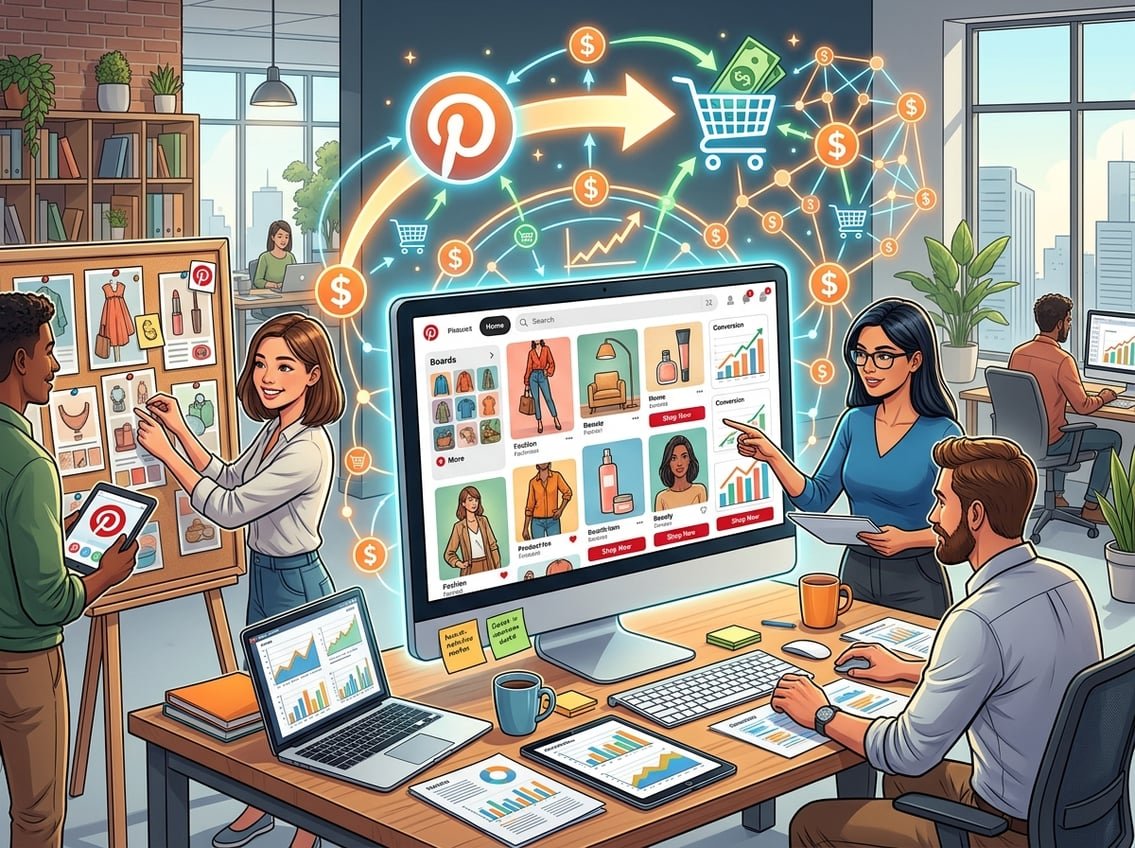
When you use Pinterest the right way, you are not chasing likes, you are building a discovery engine that can send targeted traffic to your content for months.
That is why affiliate marketing on Pinterest often works better than people expect. The platform rewards useful, keyword-rich content, and that fits nicely with a blog post, landing page, product review, or email capture flow. If you want long-term results instead of random spikes, this is one of the most practical channels you can use.
Key Takeaways
- Pinterest traffic often has stronger buying intent than casual social traffic.
- A blog or landing page usually gives you more control than direct linking.
- Simple systems beat volume when you want Pinterest to grow over time.
Why Pinterest Traffic Converts Better Than Most Social Platforms
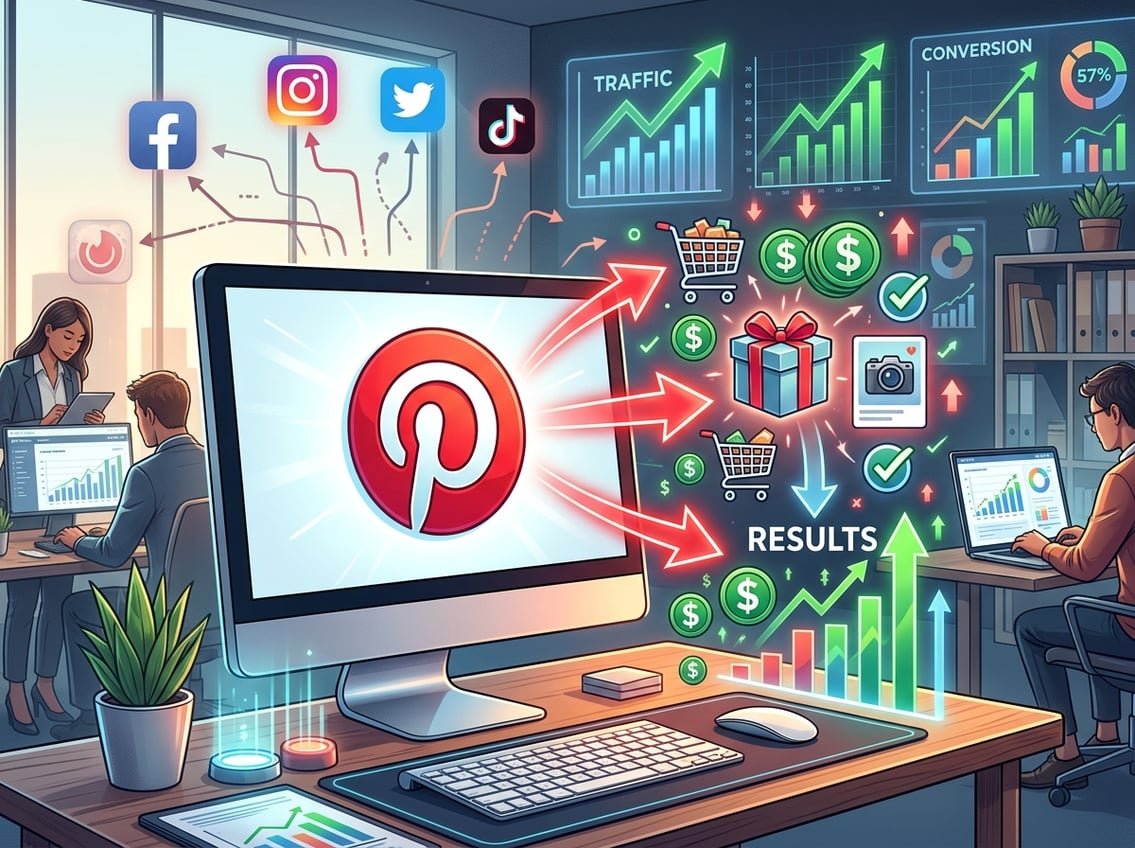
Pinterest traffic behaves differently from Instagram, TikTok, or Facebook because people use it to search for ideas, not to keep up with friends. That shift changes the kind of traffic you get, and it changes how well your affiliate content can convert.
Pinterest Is a Visual Search Engine, Not a Feed-First Network
Pinterest works like a visual search engine, which is why Pinterest marketing is closer to SEO than social posting. People search for things like “best desk setup,” “email marketing tools,” or “beginner blog tips,” then they click content that feels useful.
That matters for affiliate marketing on Pinterest because search traffic is usually more intentional than feed traffic. When you show up for the right query, your pin reaches someone who already wants a solution.
Buyer Intent Makes Pinterest Traffic Different
A lot of users arrive on Pinterest with shopping intent. According to Tolt’s guide on Pinterest affiliate marketing, a large share of users come to the platform ready to shop, and that makes a real difference for affiliate clicks.
You are not trying to interrupt someone’s entertainment. You are matching a pin to a problem, a need, or a purchase idea. That is why affiliate commissions can come from traffic that would be too cold on other platforms.
Why Evergreen Pins Outlast Short-Lived Social Posts
A pin can keep working long after you publish it. A short video or feed post may fade quickly, while a strong pin can keep sending Pinterest traffic for months or even years if the topic stays relevant.
That long shelf life is a big reason Pinterest growth compounds. If you publish useful pins around durable topics, your content library becomes an asset instead of a one-day event.
How the Affiliate Funnel Works on Pinterest
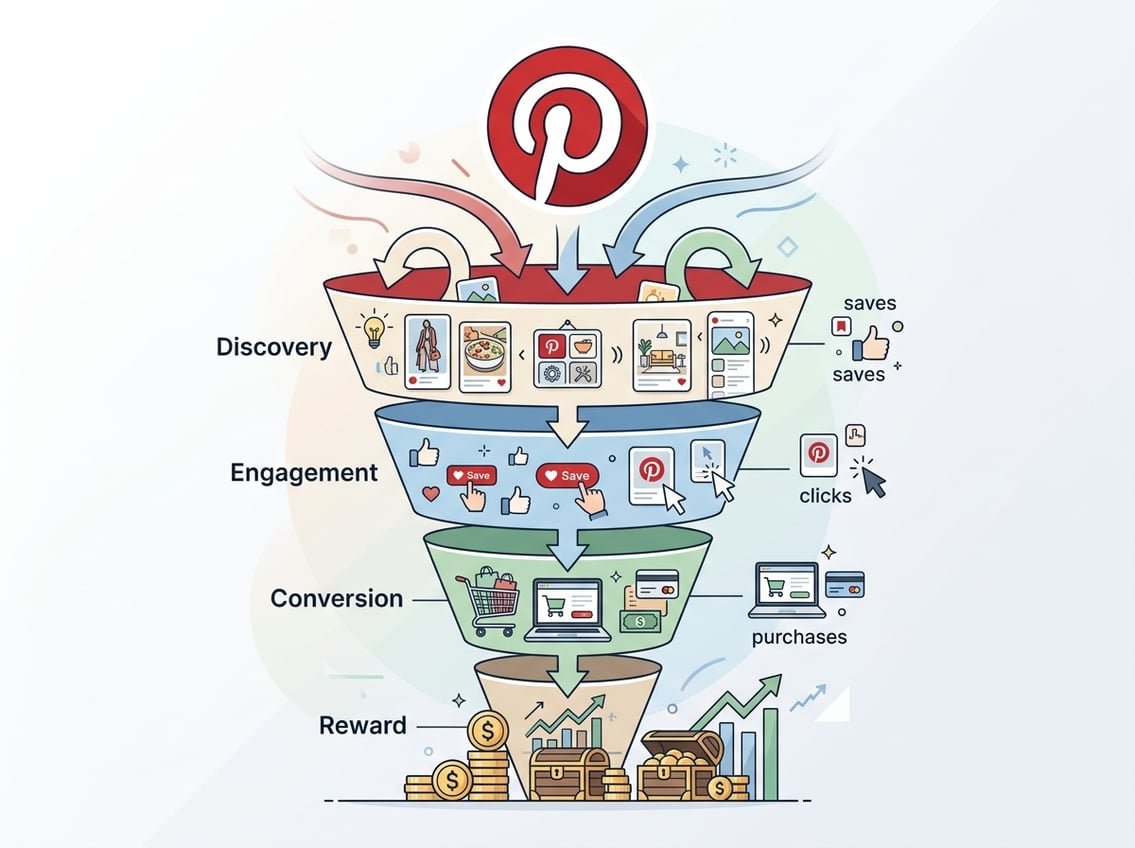
Your affiliate funnel on Pinterest is simple when you break it down. You create a pin, send people to a useful page, and place the right offer in front of them at the right time.
Direct Linking vs a Blog Post or Landing Page
You can use affiliate links directly in a pin, and Pinterest does allow that in many cases. Still, a blog post or landing page usually gives you more control.
Direct linking is faster, but you lose flexibility. A blog post lets you add context, answer objections, and include multiple offers, which is useful for affiliate programs that need a little trust before a click turns into a sale.
Why the Landing Page Strategy Usually Wins Long Term
A good landing page strategy helps you own the traffic instead of renting it. It also gives you a place to test a product review, compare options, or collect emails before sending people to an offer.
That matters because your traffic can keep earning in more than one way. A single page can support affiliate clicks today, email growth tomorrow, and future promotions later.
Where Affiliate Links, Email Capture, and Content Fit Together
The cleanest setup looks like this:
- Pin sends traffic to a blog post or landing page
- The page gives helpful content and includes relevant affiliate links
- An email opt-in captures readers who are not ready to buy yet
- You follow up with useful emails and later offers
That mix is powerful because pinterest affiliates are not relying on a single click. Your content, list, and offers work together.
Setting Up a Pinterest Foundation That Can Scale
A scalable Pinterest setup starts with clear positioning. You want your profile, boards, and keywords to tell Pinterest exactly what you post and who it helps.
Start With a Pinterest Business Account and Clear Niche Positioning
A Pinterest business account gives you analytics, profile features, and a more serious foundation for growth. It also signals that you are treating the account like a real marketing asset.
Pick one clear niche at the start. If you mix too many topics, your Pinterest affiliate marketing results get harder to read, and your audience gets less clear.
Build Boards and Keywords Around Search Demand
Your Pinterest boards should match what people already search for, not just what sounds clever. Use plain board names like “Email Marketing Tips,” “Blog Traffic Ideas,” or “AI Tools for Creators.”
Pinterest is heavily search-based, so your Pinterest SEO depends on keywords in your profile, board titles, pin titles, and pin descriptions. A simple Pinterest strategy is often more effective than a complicated one.
Use Analytics and Trends to Guide Content Decisions
Pinterest analytics shows which pins get impressions, saves, and clicks. If one topic pulls more saves and clicks than the rest, make more content around it.
You can also use Pinterest trends to see what is gaining interest before it peaks. That helps you stay ahead of demand instead of guessing. Tools like those mentioned in the iProfitLab Recommended Tools approach can also make this workflow easier when you want a simple system.
Creating Pins That Earn Clicks and Build Trust
Your pin is the first sales page most users will ever see from you. If the design feels unclear or spammy, the click rate drops fast.
What Strong Pin Design Looks Like for Affiliate Content
Strong pin design is clear, simple, and easy to read on mobile. Use vertical pinterest pins, high contrast text, and one clear idea per image.
The best pins usually make the benefit obvious right away. If you are promoting a tool, show the outcome. If you are promoting a guide, show the result or the problem it solves.
Writing Better Pin Titles and Pin Descriptions
Your pin titles should match real search phrases, not clever slogans. “Best AI Tools for Blog Content” works better than “My Favorite Hidden Hack.”
Your pin descriptions should sound natural and include the main keywords without stuffing. A focused pinning strategy uses language that helps Pinterest connect your pin to the right search.
How Rich Pins Improve Relevance and Credibility
When you enable rich pins, Pinterest can pull extra details from your site, like the title or product data. That can make your pins feel more trustworthy and more relevant.
Rich pins also help keep your content connected to the page it points to. That matters when you want better pinclicks and fewer weak matches between the pin and the landing page.
Rules, Disclosures, and Mistakes That Hurt Results
Pinterest can be a great affiliate channel, but it still has rules. If you ignore disclosure, push too hard, or repeat the same content too much, your results can stall.
How to Handle Affiliate Disclosure the Right Way
Use a clear affiliate disclosure when a pin or page contains paid links. Tags like #affiliate, #ad, or a short disclosure statement on the page are simple and direct.
That matters for both policy and trust. If you promote an Amazon affiliate product or any other offer, people should know what they are clicking before they click.
Why Overpromotion and Repetitive Pinning Backfire
Pinterest’s system is built to reward useful content, not spam. If you post the same creative too many times, the Pinterest algorithm may treat it as repetitive or low value.
A smarter pinterest affiliate approach is to vary the image, title, and angle. If you have one guide, make several different pin versions that point to the same helpful page.
Common Beginner Mistakes With Low-Intent Offers
One common mistake is pushing offers that do not fit Pinterest user intent. A cold pitch for a low-trust product usually gets ignored.
Another mistake is skipping the page in the middle. Many pinterest affiliate beginners do better when they use a blog post or landing page, because it gives them room to explain the offer before asking for the sale.
Turning Pinterest Into a Long-Term Income System
Pinterest works best when you treat it as one part of a larger content system. That is where your traffic starts compounding instead of staying random.
Pair Pinterest With Blogging, SEO, and Recurring Affiliate Programs
Pinterest traffic becomes stronger when it points to blog posts that are also optimized for Google. That gives you two discovery channels from one piece of content, which is exactly the kind of simple system iProfitLab tends to recommend.
If you choose affiliate programs with recurring affiliate commissions, the value goes up even more. A single pin can support a blog post, and that post can support a subscription offer or SaaS referral over time.
Add Email Marketing to Capture Traffic You Already Earned
Your Pinterest traffic is valuable, so do not let all of it disappear after one click. Add an email opt-in to your page and give readers a useful reason to subscribe.
That lets you keep in touch with people who are not ready to buy yet. It also gives you a place to promote new blog content, new offers, and seasonal products without starting from zero each time.
Use Tools and Scheduling Systems to Stay Consistent
Consistency matters more than volume. A simple schedule with Tailwind, Later, or Pinterest’s own scheduler can save a lot of time.
If you are building a larger system, tools like LTK can also matter for some creators, while a blog, email list, and automation stack give you more control. The goal is not to post constantly, it is to create a repeatable workflow you can keep using.
Frequently Asked Questions
Is Pinterest still a good platform for affiliate marketing in 2026?
Yes, Pinterest is still a strong platform if you use it as a search and discovery channel. It works best when you pair it with helpful content, keyword targeting, and offers that match user intent.
Is Pinterest affiliate marketing worth it compared to Instagram or TikTok?
It can be, especially if you want longer-lasting traffic. Instagram and TikTok can bring fast attention, while Pinterest often delivers slower but more durable clicks that keep working after you publish.
Can you do affiliate marketing on Pinterest without having a website?
Yes, you can use direct affiliate links in some cases, and some guides like Zokera’s 2025 Pinterest affiliate marketing guide discuss no-website approaches. A website or landing page usually gives you more control, better trust, and more ways to monetize the same traffic.
How much money can you realistically make with Pinterest affiliate marketing?
It depends on your niche, traffic, offer quality, and consistency. A few strong pins can bring in clicks and sales, but the real upside comes when you build a repeatable content system instead of relying on one viral post.
Is Pinterest affiliate marketing too saturated to get results today?
No, not if you choose a focused niche and use search-driven content. Pinterest still has room for creators who make useful pins, write clear descriptions, and send traffic to pages that solve real problems.
What are some real Pinterest affiliate marketing examples that actually convert?
Product reviews, comparison posts, “best tools for X” articles, and how-to guides usually convert well because they match clear intent. For example, a pin for “Best Email Marketing Tools for Beginners” can lead to a review page, which then points to recurring SaaS offers and an email opt-in.
If you want to build this kind of system step by step, the Free AI Income Starter Kit from iProfitLab is a practical next move. You can also check the Recommended Tools page if you want trusted options for blogging, email, hosting, and content creation.