A Recommended Tools Page That Actually Makes Money works because it helps you choose the right tool faster, not because it throws every affiliate link on one page. When you build it around real use cases, clear comparisons, and recurring income tools, you create something that can support affiliate marketing, passive income, and long-term trust.

If you want to make money online in a sustainable way, your tools page should do more than collect clicks. It should help readers decide what to use for content creation, how to start a blog, and which platforms fit their goals.
A good page can also support other ways to make money online through SEO traffic, email marketing, and smart internal links. That is why the best pages feel useful first and promotional second.
Key Takeaways
-
Lead with tool fit, not tool count.
-
Prioritize recurring commissions and clear use cases.
-
Build the page to support trust, SEO, and email growth.
What Makes a Tools Page Profitable
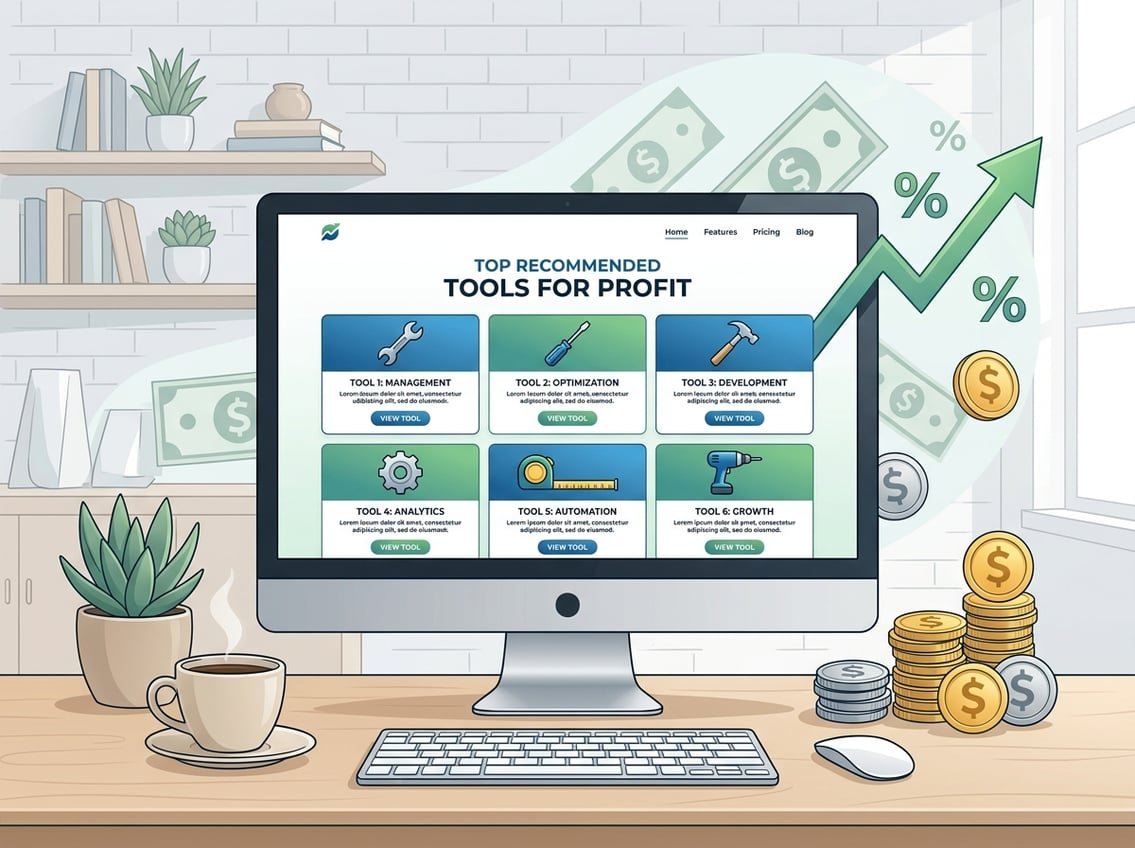
A profitable tools page connects reader intent with a real business model. It works best when it points people toward tools that support digital products, a membership site, or online courses instead of random one-time offers.
That is why the highest-value pages usually center on platforms with repeat use, clear outcomes, and strong earning potential. Pages that chase broad traffic with weak offers may get visits, yet they rarely turn those visits into meaningful revenue.
Why Buyer Intent Matters More Than Traffic Volume
A page with fewer visits can earn more if the visitors are already looking for a specific solution. Someone searching for the best email platform, hosting, or SEO tool is much closer to a purchase than someone browsing generic best websites to make money lists.
That intent matters in affiliate marketing because the click already starts with a problem and a likely fix. The right page gives the answer before the reader leaves.
How Trust Increases Clicks and Conversions
Readers click when they believe your recommendation is honest and useful. That means you need simple explanations, clear pros and cons, and a reason each tool belongs on the page.
When a tools page feels curated, it behaves like a trusted shortlist instead of a sales dump. That trust often leads to better conversions and more repeat visits.
Why Recurring Commissions Beat One-Time Payouts
Recurring commissions are a better fit for passive income because one customer can pay you month after month. That is why SaaS, email platforms, and hosting programs often make more sense than one-time digital product links.
A one-time sale can help, yet recurring affiliate income compounds more smoothly as traffic grows. In practice, that makes the page more stable and easier to scale.
Choose Tools That Match a Long-Term Business Model

The best tools page matches tools to the business you want to build. If your audience wants to start a blog, publish content, or build an email list, your recommendations should support those goals.
That is a very different model from platforms built for quick flips, short-term selling, or one-off tasks. Tools that support content creation and automation usually fit much better.
Prioritize SaaS, Hosting, and Email Platforms
SaaS tools, hosting, and email platforms are often the core of a smart tools page. They solve real problems every month, which makes them a natural fit for recurring affiliate marketing.
Think about platforms like Beehiiv for newsletters, Hostinger for hosting, or AI tools that speed up writing and planning. These tools support the system, not just the transaction.
Where AI and Content Tools Fit Naturally
AI tools belong on your page when they help readers create content, save time, or publish faster. That includes tools for blog outlines, SEO drafts, video scripts, and faceless content workflows.
This is where practical recommendations from iProfitLab-style content can help you stay focused on what works. If a tool supports blogging, SEO, or email growth, it likely deserves a place.
Tools That Usually Distract From Compounding Income
Some tools pull attention away from long-term growth. Examples include platforms for short-term selling, low-value tasks, or random monetization paths that do not build assets.
That does not mean they are useless. It means they usually do not belong on a page meant to grow recurring income, authority, and compounding traffic over time.
Structure the Page Around Reader Decisions
Your page should help readers decide quickly. The layout matters because people scan, compare, and leave if the answer is not obvious.
I have seen better results when a page leads with the best options for beginners, then groups tools by task, then offers quick comparisons that remove doubt.
Best Overall Picks for Beginners
Start with a short list of your top picks. Pick tools that are easy to use, fairly priced, and proven for beginners.
That gives readers a fast path without forcing them to sort through every option. A simple top section can do more for conversions than a long wall of links.
Category Blocks for Blogging, Email, SEO, and Video
Break the page into clear blocks. Separate tools for blogging, email, SEO, video, and automation so readers can jump to the part that matches their goal.
This structure also helps search engines understand the page. It works better than mixing unrelated tools like Fiverr, Etsy, and Shutterstock in one giant pile.
Comparison Sections That Reduce Friction
Short comparison tables help readers decide faster. Compare price, best use case, ease of use, and whether the tool offers recurring commissions.
If you write for beginners, comparisons should answer practical questions, not just list features. A clear comparison can stop hesitation and increase clicks.
Turn Content Into Qualified Clicks
Content works best when it sends the right visitor to the right tool. That means you should use tutorials, reviews, and comparisons to pre-sell the recommendation before the click.
This approach also fits blogging, email marketing, and affiliate marketing far better than random list posts. It gives each visitor a path instead of just a menu.
Use Blog Posts to Pre-Sell the Right Tools
A blog post can explain why a tool matters before you send the reader to the recommendation page. For example, a post on how to start a blog can naturally lead to hosting, email, and keyword tools.
That makes the click feel useful, not forced. It also brings in readers who are already interested in content creation and long-term systems.
Build Email Sequences Around Tool Use Cases
Email is where trust compounds. A short sequence can show how one tool helps with writing, another with publishing, and another with follow-up.
That is especially useful if you are growing an email list around AI tools or blogging systems. The more specific your use case, the better your response tends to be.
Connect Tutorials, Reviews, and Comparison Articles
Your content should work like a path. A tutorial introduces the problem, a review explains the tool, and a comparison helps the reader choose.
That path turns casual traffic into qualified clicks. It also gives your recommended tools page more internal link support and stronger SEO signals.
What to Include in Each Recommendation
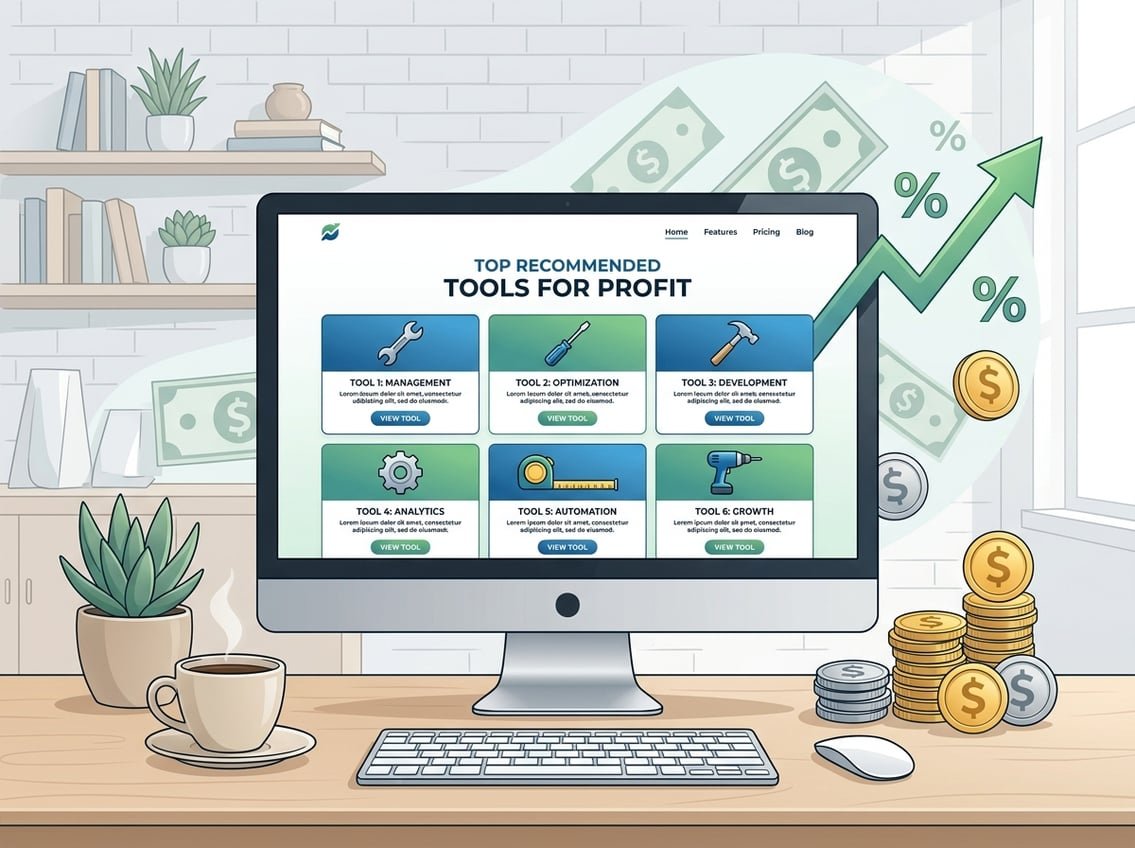
Each tool should answer the same core questions. If you keep the format consistent, readers can compare options without confusion.
That consistency matters even more when you promote software with trials, commissions, or monetization features. A predictable layout helps the page feel organized and credible.
Ideal User, Main Benefit, and Key Limitation
Start with who the tool is for. Then explain the main benefit and the one limitation a beginner should know.
This simple format saves time and builds trust. It also keeps you from sounding like you are hiding the weak spots.
Pricing, Trial Details, and Commission Fit
Price matters because beginners want to know what they are getting into. If a tool has a free plan, trial, or upgrade path, say so clearly.
You should also mention whether the affiliate offer is one-time or recurring. That helps readers understand why the recommendation is on your page in the first place.
Proof Elements Like Examples, Screenshots, and Workflows
A short workflow can be more convincing than a polished sales line. Show how the tool fits into a real task, such as writing a blog post, sending a newsletter, or building a lead magnet.
Screenshots and examples help too, especially when readers need to picture the process. If you can show the tool in use, the page becomes much stronger.
Mistakes That Kill Revenue and Credibility
Most weak tools pages fail because they try to monetize everything at once. That usually leads to low trust, poor clicks, and a page that feels unfocused.
You want a page that helps a reader choose, not a page that feels like a random list of offers.
Mixing Recurring Tools With Low-Intent Quick Cash Offers
Quick-cash platforms like Swagbucks, InboxDollars, Survey Junkie, Branded Surveys, Freecash, Mistplay, MyPoints, KashKick, and Google Opinion Rewards often belong to a different content model. The same goes for Honeygain, UserTesting, User Interviews, Clickworker, and other microtask or survey platforms.
Those offers may fit a “get paid to” audience, yet they do not usually fit a page built around blogging, SEO, email lists, and recurring commissions. Mixing the two can confuse your audience and weaken your positioning.
Promoting Too Many Options Without Clear Priorities
Too many choices can reduce action. If every tool looks equal, readers have no reason to pick one now.
A stronger page ranks the top picks, explains why each one matters, and removes extra noise. That is especially true when your audience wants to make money online fast, because vague pages tend to lose their attention.
Ignoring SEO, Internal Links, and Conversion Paths
A tools page should be part of a content system. It needs search intent, internal links from related posts, and a clear next step.
If the page has no support from articles on content creation, affiliate marketing, or how to start a blog, it will struggle to rank and convert. That is one reason systems-first sites like iProfitLab focus on SEO, email list growth, and linked content instead of isolated pages.
Frequently Asked Questions
What should I include on a recommended tools page to maximize affiliate conversions?
You should include a short top-picks section, clear category blocks, and a consistent review format for each tool. Add use cases, pricing, limitations, and a simple reason why each tool fits your audience.
How do I choose tools that genuinely help my audience and also generate consistent revenue?
Choose tools that solve a real problem in your niche and support a long-term business model. For many beginners, that means hosting, email platforms, SEO tools, and AI tools for content creation.
What are the best free and low-cost AI tools that can help beginners start earning online?
The best tools are the ones that help you create content faster, improve workflow, and build digital assets. Tools in categories like writing, design, automation, and video work well when they support a blog, newsletter, or service business.
How can I make money with AI with no experience or existing audience?
Start by using AI to speed up one simple offer, such as blog posts, newsletter content, social captions, or faceless video scripts. Then publish useful content, build an email list, and link the tools that support that workflow.
What’s a realistic plan to earn $100 a day online using a small set of proven tools?
A realistic plan starts with one niche, one content channel, and a few tools that support the same goal. If you pair a blog, an email platform, and a few recurring affiliate offers, you give yourself a clear path to grow without chasing random tactics.
How do I track clicks, conversions, and ROI to know which recommended tools are actually performing?
Track clicks inside your link tool or analytics setup, then compare those clicks to trial starts, sign-ups, and paid conversions. That makes it easier to see which tools earn commissions and which ones only attract attention.
If you want a simpler starting point, download the Free AI Income Starter Kit and use the Recommended Tools page as a model for building a page that supports trust, SEO, and recurring income.