Best Funnel Builders for Affiliate Marketing with recurring income starts with one simple idea, you need a system that turns traffic into leads, then leads into buyers. If you send people straight to an offer, you usually lose the chance to build trust, collect emails, and promote recurring commissions over time.
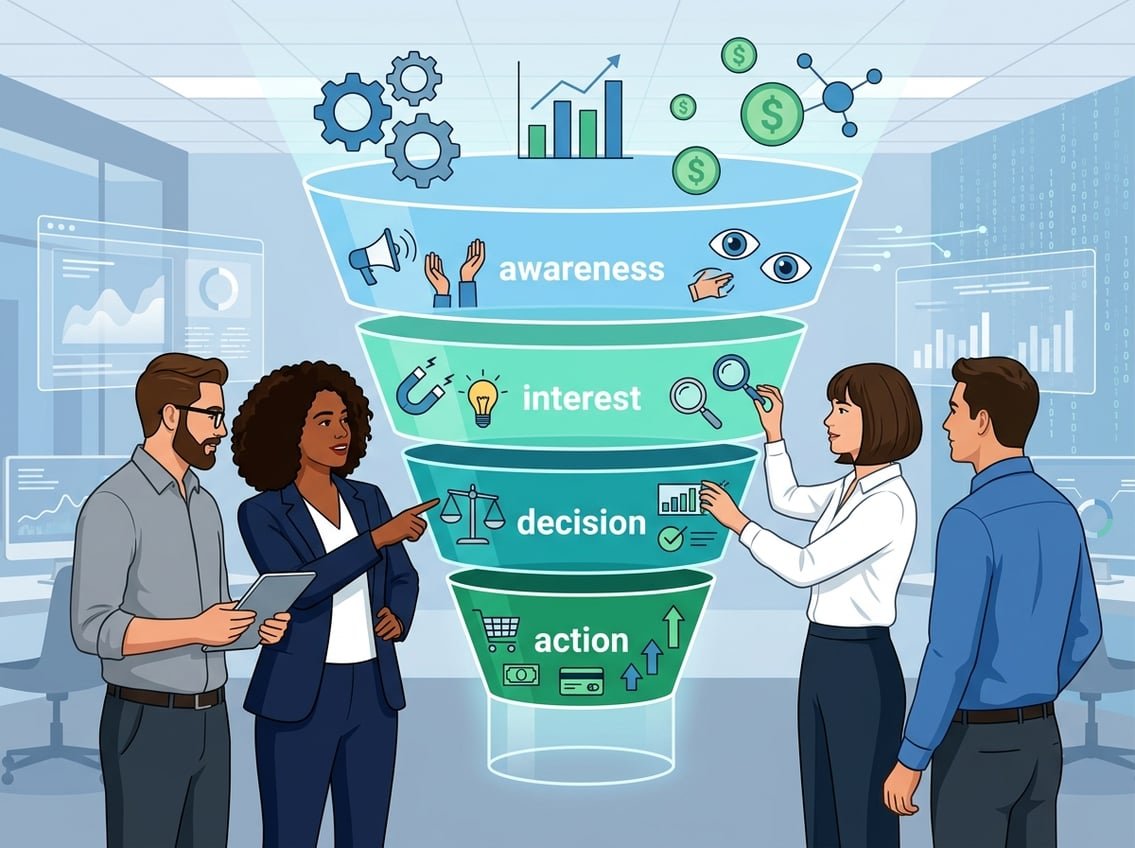
The right funnel builder helps you create that system without turning your business into a technical mess. If you want recurring affiliate income, you should choose a funnel builder that supports lead capture, email follow-up, simple pages, and easy testing, not just flashy page design.
That matters even more if you build through blogging, SEO, or AI-assisted content. A good funnel fits into your content system, supports your email list, and gives each visitor a clear next step.
Key Takeaways
-
A funnel works best when it collects leads first.
-
The best tool fits your traffic source and offer type.
-
Simple systems often beat complex setups.
What These Tools Actually Do for Affiliate Marketers

A funnel builder gives you a way to control the path from first click to final action. In affiliate marketing, that path often includes a landing page, an opt-in form, a thank you page, and follow-up emails that keep the conversation going.
The goal is not just a sale today. It is lead generation, trust building, and repeated exposure to offers that can create recurring commissions.
How an Affiliate Funnel Moves Visitors From Click to Commission
A simple affiliate marketing funnel usually starts with a landing page and an opt-in form. You offer something useful, like a checklist, mini guide, or email course, then send the visitor to a thank you page and into a nurture sequence.
From there, your emails can introduce the problem, explain the solution, and recommend a tool or service. This is where affiliate funnels work better than a single link because you can educate before you promote.
Why Sending Traffic Straight to an Affiliate Link Usually Underperforms
Direct linking can work for warm traffic, but it often underperforms with cold visitors. Most people do not buy on the first click, especially for SaaS, software, or higher-ticket offers.
A funnel gives you room to explain the offer and capture the lead. That matters because you can follow up later, and that follow-up often improves your conversion rate more than the first visit ever could.
The Core Pages and Steps Inside a Simple Funnel
A basic affiliate sales funnel usually includes these pieces:
-
A landing page that matches the traffic source
-
An opt-in form that collects the email address
-
A thank you page that sets the next step
-
An email sequence that builds trust
-
A recommendation page or checkout page, if needed
The best setups stay simple. In many cases, a small funnel built around one clear offer works better than a large, cluttered marketing funnel.
How to Choose the Right Platform for Your Business Model

The best funnel builder is the one that fits your business model, not just the one with the longest feature list. Your choice changes based on whether you blog, run paid ads, post on YouTube, or promote SaaS offers with recurring commissions.
You also need to think about how much setup you want to handle. Some sales funnel builders act like all-in-one marketing platforms, while others work better as a website builder plus email tool combo.
Best Fit for Beginners, Bloggers, and Content-Driven Creators
If you are a beginner or blogger, choose a tool that makes landing pages and email capture easy. A free funnel builder or low-cost sales funnel software can be enough at the start, as long as it includes forms, basic automation, and mobile-friendly pages.
For content-driven creators, the best funnel builders for affiliate marketing are often the ones that connect cleanly with your blog and email platform. That keeps your system simple and close to the philosophy iProfitLab teaches, which is to build with clarity instead of stacking tools you do not need.
When an All-in-One Platform Makes More Sense Than Separate Tools
An all-in-one marketing platform makes sense when you want funnels, email marketing, CRM, and checkout pages in one place. Tools like Systeme.io and Kartra are built for that kind of setup, and that can reduce tech friction.
This setup helps when you want one login, one billing system, and fewer integrations to manage. It also works well if you plan to run webinars, memberships, or multiple offers later.
How Traffic Source, Offer Type, and Budget Change the Decision
Your traffic source matters a lot. SEO and Pinterest traffic often do well with simple opt-in funnels, while paid traffic may need stronger testing tools and faster page control.
Your offer type matters too. A lead magnet for a newsletter needs less than a webinar funnel or a course sale, and your budget should match that complexity. If you are promoting recurring affiliate programs, choose software that supports lead nurturing and email sequences before you pay for advanced extras.
Features That Matter Most Before You Buy
A funnel builder can look impressive in a demo and still be hard to use in real life. The most useful tools make page building, automation, and testing simple enough that you actually keep using them.
Focus on features that help you publish faster, follow up better, and improve conversion rate over time.
Page Building, Templates, and Customization Essentials
A strong drag-and-drop editor should let you build pages without code. Look for a drag-and-drop funnel builder that includes landing page templates, pre-designed templates, and customizable templates you can adapt to your brand.
You should be able to change headlines, images, buttons, and forms quickly. If the landing page builder feels slow or rigid, you will waste time on tiny edits instead of building traffic and leads.
Email Automation, CRM, and Follow-Up Capabilities
Email marketing automation is essential for recurring income. Your funnel builder should connect to email marketing platforms or include its own email automation, email sequences, and follow-up sequences.
A built-in crm can help you track leads, segment users, and personalize messages. For affiliate marketing, that makes it easier to nurture leads based on what they clicked, downloaded, or watched.
Testing, Tracking, and Conversion Optimization Tools
You need analytics, a/b testing, and a/b split testing if you want to improve results. Even small changes, like a better headline or button text, can change the conversion rate.
Look for tools that support conversion optimization, lead scoring, personalization, pop-ups, and clear reporting. These features matter more than extra design effects because they help you learn what is actually working.
Tool Categories and Top Options Worth Comparing
Not every platform serves the same job. Some are made for high-converting funnels, some are better for email-first setups, and some work best when you also sell courses or memberships.
That is why the best funnel builders are not one-size-fits-all. A tool that fits a webinar funnel may not be the best landing page tool for a blog-based affiliate site.
Dedicated Funnel Builders for High-Converting Campaigns
If your main goal is high-converting funnels, dedicated builders like ClickFunnels are built for that job. They usually include funnel templates, order bumps, upsells, and page sequences that are easy to map out.
These tools are useful for webinar funnels, product launches, and direct-response campaigns. According to a guide on affiliate funnel builders, dedicated builders often shine when you want a strong drag-and-drop editor and built-in conversion tools.
Email-First and Landing-Page-First Options for Lean Setups
If you want a lean setup, tools like Leadpages, ConvertKit, and Mailchimp can work well when your main focus is lead capture. They are often a better fit when your content plan starts with blogging, SEO, or a newsletter.
This path is useful if you want to keep your stack small and your costs lower. You can build a simple opt-in page, connect your email marketing, and send people into a follow-up sequence without overbuilding the system.
Platforms for Courses, Memberships, and Multi-Offer Businesses
If you sell courses or memberships along with affiliate offers, platforms like Kajabi, Kartra, and Builderall may be worth a look. They can support webinars, membership sites, online courses, and broader automation in one place.
That kind of setup can make sense if you want one platform for several revenue streams. It is also helpful when your affiliate business grows beyond a basic opt-in funnel and starts needing more content delivery.
Building a Simple Funnel That Supports Long-Term Income
Long-term income comes from a funnel that matches your content system and your audience’s buying pace. For recurring affiliate offers, that usually means simple pages, strong email follow-up, and a clear next step after every opt-in.
The best funnel builders for affiliate marketing make that process easy to repeat. They should help you connect your blog, email list, and product recommendations without turning each launch into a new project.
A Beginner-Friendly Funnel for SaaS and Recurring Affiliate Offers
For SaaS affiliate programs, use a landing page with one clear lead magnet, then send the lead to a short email series. Your emails should explain the problem, show the solution, and point to one product recommendation at a time.
You can add a one-click upsell or order bumps only when the offer truly supports them. The goal is not to force extra steps, it is to make the buyer path smoother and more useful.
How to Connect Blogging, SEO, and Email List Growth to Funnel Performance
Your blog should feed the funnel, not sit apart from it. A helpful article can send readers into an opt-in form, and that list becomes the place where you promote your affiliate programs over time.
This is where email marketing integration matters most. If you publish SEO content around pain points, comparisons, and how-to posts, your funnel can turn that traffic into long-term subscribers instead of one-time clicks.
Ways to Improve Results With Better Offers, Follow-Up, and Testing
The biggest gains often come from better offers and better follow-up, not more pages. Test your headline, your lead magnet, and your email sequences before you chase advanced features.
Use analytics and a/b testing to compare changes one at a time. If your funnel is getting clicks but weak conversions, improve the offer match and the message before you rebuild the entire system.
Pricing, Trials, and Red Flags to Watch Before Committing
Pricing can look simple at first, then rise fast once you add contacts, extra workspaces, or payment tools. Before you commit, check what is included in the plan, what costs extra, and what happens when your list grows.
A trial can help, especially a 14-day free trial or 30-day free trial if the platform offers one. Just make sure you test the parts that matter most, not only the visual editor.
Free Plans and Low-Cost Entry Points
A free funnel builder can be enough for your first opt-in page and email capture setup. This is useful if you are testing a niche, building your first blog, or learning how affiliate funnels work.
Low-cost plans are good when you want to keep risk down. They are less useful if they limit automation, analytics, or page publishing in ways that slow your growth.
When Premium Features Are Actually Worth Paying For
Pay more when the platform saves you time or improves conversion rate in a measurable way. That can include better automation, webinar funnels, membership sites, or checkout pages with stronger conversion tools.
Premium features are also worth paying for if they reduce tool sprawl. One solid platform can be better than three cheaper tools that do not connect cleanly.
Hidden Costs, Lock-In Risks, and Compliance Considerations
Watch for hidden fees tied to contacts, custom domains, extra pages, or email volume. Also check payment gateways like PayPal and Stripe, plus SSL, fraud detection, and checkout pages if you plan to sell directly.
If a platform includes affiliate tracking or affiliate program management, read the rules carefully. Some tools are fine for promoting affiliate offers, while others limit how you can use links, pop-ups, or tracking.
Frequently Asked Questions
Which funnel builder is easiest for beginners to launch their first affiliate funnel?
Systeme.io is often a strong starting point because it combines funnels, email, and basic automation in one place. If you want a simple path with fewer moving parts, that kind of setup can make your first funnel easier to launch.
What are the best free funnel builders for running affiliate campaigns on a budget?
A free funnel builder from Systeme.io or a low-cost landing page tool like Leadpages can work well for a small campaign. The best choice is the one that lets you collect leads and send follow-up emails without forcing you into a complex setup.
How does ClickFunnels compare to other funnel builders for affiliate marketing?
ClickFunnels is known for strong sales funnel builders, good templates, and direct-response style pages. It is often a solid fit when you want a dedicated funnel builder software with more conversion-focused features than a basic website builder.
What features should I look for in a funnel builder to improve affiliate conversions?
Look for a drag-and-drop editor, templates, email sequences, analytics, and a/b testing. You should also check for integrations with your email marketing platform, plus checkout support if your offer needs it.
Are there any open-source funnel builder options that work well for affiliate marketers?
Yes, some WordPress-based tools can act like open-source or self-hosted funnel builders, especially when paired with page builders and plugins. They can work well if you want more control, though you may need more setup time and technical care.
Can an AI funnel builder create high-converting affiliate funnels without design or copywriting skills?
AI can help you move faster by drafting pages, emails, and layout ideas, and that is useful for beginners. You still need to review the offer, tighten the message, and test the results, because automation does not replace good positioning.
If you want a simpler starting point, the Free AI Income Starter Kit from iProfitLab can help you map the next steps without adding more confusion. You can also check the Recommended Tools page for trusted options that fit a blogging, SEO, and email-based income system.