Your Pinterest traffic is not converting because Pinterest is only sending people to your content. If the click does not lead to a clear offer, a strong landing page, or a next step that matches what they wanted, you get activity without revenue.
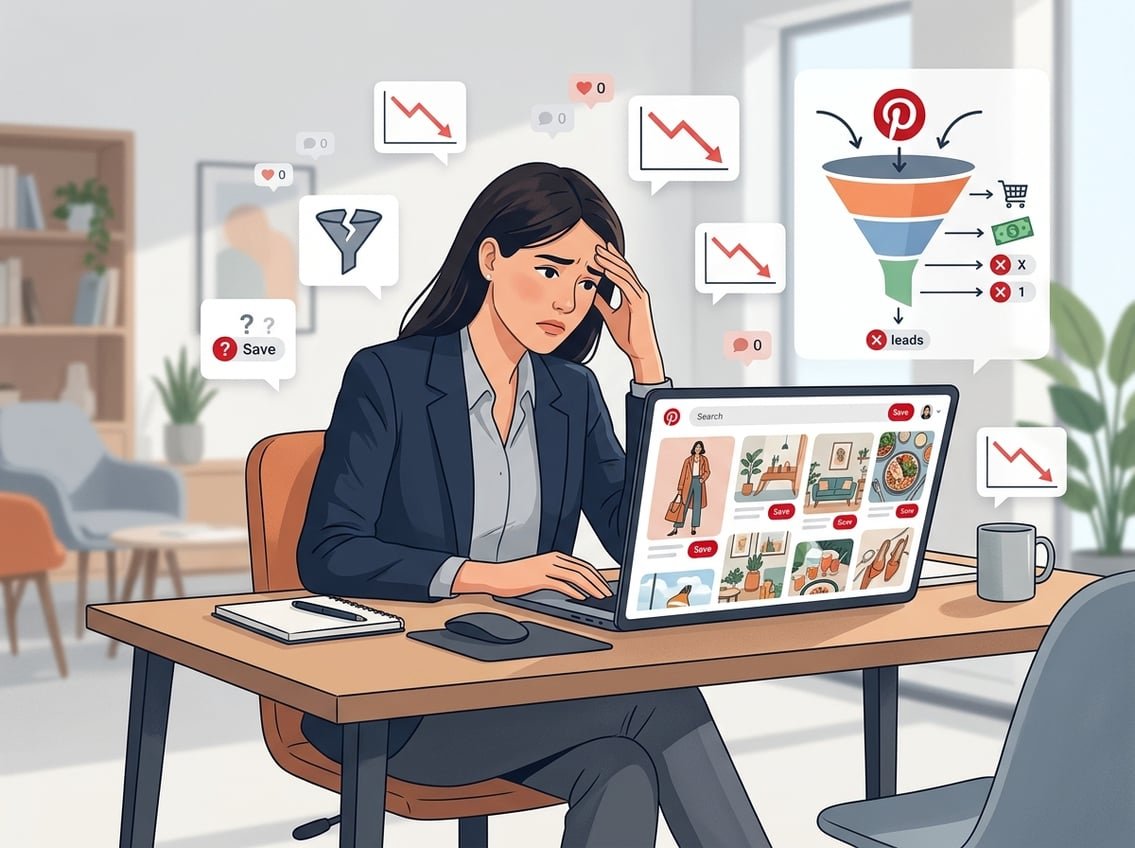
That usually means the problem is not just your pinterest traffic, your content strategy, or your pin design. The real issue is often the full path after the click, from search intent to page match to email capture.
If you want Pinterest to produce email subscribers, affiliate clicks, or sales, you need to treat it like a search channel with a conversion system, not a place to chase impressions.
Key Takeaways
- Traffic means little without a clear next step.
- Match the pin promise to the landing page.
- Track clicks, sign-ups, and sales, not just saves.
Define the Conversion Goal Before Fixing the Traffic

Before you change pin designs or post more often, you need to know what you want Pinterest to do. Pinterest can support several outcomes, including pinterest sales, outbound clicks, email sign-ups, and affiliate referrals, but each goal needs a different content strategy.
A pin that gets saves is not the same as a pin that drives business results. The goal should shape the topic, the page you send people to, and the call to action.
Different Conversion Types Pinterest Can Support
Pinterest can help you get blog visits, email subscribers, product sales, and affiliate clicks. It can also support soft conversions, such as people reading a tutorial and then returning later through email.
If you sell a service, your best goal may be booked calls or contact form fills. If you run a blog, your goal may be outbound clicks to an article that leads to an opt-in or affiliate offer.
Why High Impressions and Saves Do Not Equal Business Results
High impressions only mean your pins were shown. Saves can show interest, but they do not prove buying intent. That is why click-through rate and outbound clicks matter more when you want income.
A pin can look successful inside Pinterest analytics and still fail to produce revenue. That mismatch usually means the traffic is too broad, the page is unclear, or the offer is too far from the pin promise.
Choosing the Right Goal for Blogs, Affiliates, and Email Lists
For blogs, the clearest goal is usually a click to an article with a related opt-in. For affiliates, the goal is a click to a focused post or comparison page that builds trust before the recommendation.
For email lists, the pin should lead to a landing page with one action. iProfitLab uses this kind of system-based approach because it compounds better than chasing random pin clicks.
Audit What Happens After the Click
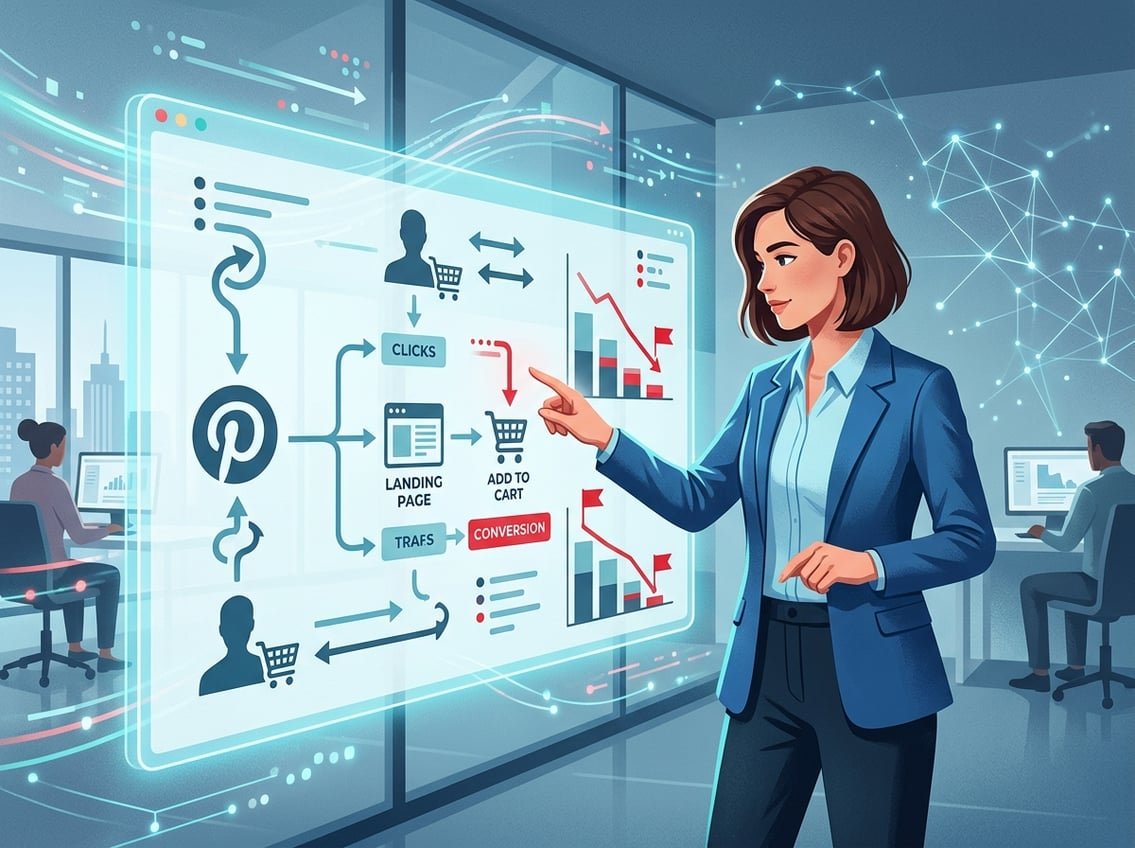
When Pinterest sends traffic but conversions stay low, the next place to inspect is your page. The click path may be weak, the offer may be unclear, or the visitor may hit too much friction on mobile.
Think about what a cold visitor sees in the first five seconds. If the answer is confusion, slow load time, or a vague message, the visit ends fast.
Send Cold Traffic to a Focused Landing Page Instead of a Homepage
A homepage usually gives too many choices. Cold Pinterest visitors need one page with one purpose, especially if your pin promises a specific result.
A focused landing page should repeat the pin topic, explain the value fast, and offer one clear next step. If you want sign-ups, send them to a page built for opt-ins, not your general homepage.
Match the Pin Promise to the Page Content and Offer
If your pin says “10 Best SEO Tips for Beginners” and your page starts with a story about your brand, the visitor may bounce. The message needs to match from pin to page.
This is where text overlays matter too. The wording on the pin, the page headline, and the offer should all point to the same outcome.
Reduce Friction With Better Mobile Speed, Layout, and Next Steps
Most Pinterest traffic is mobile, so a slow or cluttered page hurts fast. Large images, long intros, broken formatting, and hidden buttons all reduce outbound clicks and sign-ups.
Keep the first screen simple. Use one main button, short sections, and a direct next step, such as joining your list or reading the recommended article.
Fix Search Intent and Pinterest SEO Alignment
Pinterest works like a search engine, so your pin title, board titles, and on-page content need to match what people are already looking for. If your SEO signals are vague, your content may reach the wrong audience or fail to show up at all.
Use the terms your reader would type, not the terms that sound clever. That is where better pinterest analytics, smarter keyword use, and more relevant content clusters start to improve results.
Use SEO Signals in Pin Titles, Boards, and On-Page Content
Your pin title should include the main keyword or close variation, and the page should cover the same topic clearly. This alignment helps Pinterest connect the pin to search intent.
It also helps with click quality. People who search specific terms are more likely to take action than people who land on a broad, loosely related pin.
Improve Relevance With Better Board Titles and Topic Clusters
Board titles should be specific, not general. A board called “Blogging Tips for Beginners” is more useful than “My Ideas,” because it gives Pinterest a clearer category to work with.
Group related pins into topic clusters. If you write about email marketing, affiliate marketing, and blogging systems, keep those clusters organized so Pinterest can identify your niche faster.
Use Pinterest Trends and Analytics to Update Aging Keywords
Search behavior changes, and old keywords can lose traction. Use Pinterest Trends and your own analytics to see which terms still match current demand.
Check your top pins and top boards often. If a topic is slowing down, update the keyword angle or refresh the content so it stays useful as evergreen content.
Improve Pin Formats and Creative for Better Click Quality
Not every pin format works the same way for every goal. Some formats help discovery, while others help engagement or trust, so you need to choose based on what you want people to do next.
Good pin design still matters, but the creative should support the right action. A pretty pin that attracts the wrong audience will not improve conversions.
When Idea Pins, Video Pins, and Standard Pins Help or Hurt
Idea pins can build attention and trust, but they are often weaker for direct clicks. Video pins can help explain a quick promise, while standard pins usually remain strong for search-based traffic and outbound clicks.
If your goal is affiliate clicks or email sign-ups, standard pins often make the path clearer. If your goal is brand awareness, idea pins may still have a role, but they should not replace conversion-focused content.
Create Fresh Pins That Test New Hooks, Layouts, and Designs
Fresh pins let you test new angles without changing the destination page. Try different hooks, headlines, and image choices for the same URL so you can see what improves click-through rate.
A small change in the first line of text can make a real difference. Test one variable at a time so you know what is actually improving the result.
Use Strong Pin Design Elements That Earn Attention and Trust
Clear text overlays, readable fonts, vertical layouts, and clean contrast usually work better than crowded graphics. Your pin should be easy to scan in less than a second.
Trust also matters. If the design looks clickbait-heavy or generic, people may scroll past even if the topic is good.
Common Reasons Results Stall or Decline Over Time
A pinterest traffic drop usually points to a change in search demand, content quality, or account structure. Sometimes it is a seasonal shift, and sometimes it is a sign that your top pins are no longer aligned with what people want.
A decline can also come from weak destinations, outdated boards, or content that no longer matches Pinterest trends. That is why checking performance regularly is more useful than waiting for the problem to get worse.
How a Pinterest Traffic Drop Can Signal Strategy Problems
If your best pins stop producing outbound clicks, your message may be stale or your audience may have shifted. If your saves stay steady but traffic drops, the issue may be stronger interest without enough action.
When that happens, review your top pins, top boards, and landing pages together. The problem is often not one thing, it is a weak link in the chain.
Mistakes That Lower Reach, Clicks, and Link Visibility
Common pinterest mistakes include vague titles, messy boards, weak text overlays, and sending traffic to pages with too many distractions. Posting in bursts and then going silent can also hurt consistency.
Another mistake is choosing topics that get attention but do not fit your offer. That creates vanity metrics instead of useful traffic.
How Seasonality, Trends, and Low-Quality Pages Affect Performance
Some topics rise and fall with the season, so traffic dips are not always a warning sign. Pinterest trends can change quickly, especially in niches tied to holidays, planning, or yearly updates.
Low-quality pages also drag performance down. If people leave fast, Pinterest gets weaker signals about your content, and the pin may stop getting shown as often.
Build a Pinterest System That Converts Over Time
A strong pinterest marketing strategy connects discovery to action. The goal is not just more traffic, it is traffic that moves into your blog, email list, or affiliate funnel in a repeatable way.
That is the kind of system iProfitLab focuses on, because blogs, SEO, and email list growth compound better than random pinning. When the pieces work together, Pinterest can become a steady traffic source instead of a guessing game.
Connect Pinterest Marketing Strategy to Blogging and Email Capture
Start with a blog post or landing page that solves one clear problem. Then add a lead magnet, checklist, or free guide so the visitor has a reason to join your list.
This matters because email gives you a second chance to convert the traffic. If the first visit does not produce a sale, the subscriber may still buy later.
Turn Evergreen Content Into Repeatable Traffic and Affiliate Assets
Evergreen content works best for Pinterest because it can keep sending traffic long after you publish it. A helpful tutorial, comparison post, or beginner guide can become a long-term affiliate asset.
If you want a simple system, build content around topics people search for every week. Then link that content to offers that make sense for the reader’s stage.
Track the Metrics That Matter and Keep Testing
Do not stop at impressions. Watch outbound clicks, click-through rate, landing page sign-ups, and affiliate conversions.
Use pinterest analytics to spot what is working, then make more content in that direction. If you need a practical, beginner-friendly framework, the Free AI Income Starter Kit and the Recommended Tools page can help you build a cleaner system with less guesswork.
Frequently Asked Questions
Why am I getting plenty of Pinterest clicks but no sales or sign-ups?
You may be attracting interest without enough purchase intent. The pin may promise one thing while the page offers another, or your landing page may have too many distractions.
What are the most common reasons Pinterest traffic bounces quickly on my website?
Slow load speed, weak mobile layout, vague headlines, and too many link choices are common causes. A cold visitor needs a fast, focused page that matches the pin topic right away.
How can I tell if my Pinterest audience is the wrong fit for my offer?
Check whether your top pins attract views from broad topics that do not match your product, blog, or lead magnet. If people click but never stay, the search intent may be too far from your offer.
What landing page elements most often prevent Pinterest visitors from converting?
A cluttered first screen, weak headline, unclear button text, and no obvious next step often hurt results. If the page does not repeat the pin promise quickly, many visitors leave.
How do I match my Pin design and copy to what the landing page actually delivers?
Use the same core phrase in the pin title, text overlay, and page headline. The visitor should feel like the click led to exactly what they expected.
Could tracking or attribution issues be making my Pinterest conversions look lower than they are?
Yes, that can happen. Some conversions happen later through email or another visit, so make sure your analytics, email platform, and affiliate tracking are set up correctly before you assume the traffic failed.