Pinterest can be one of the fastest ways to grow your email list because it works like a search engine, not a feed-based social app. When you set up the right funnel, your pins can keep sending targeted visitors to your opt-in page long after you publish them.
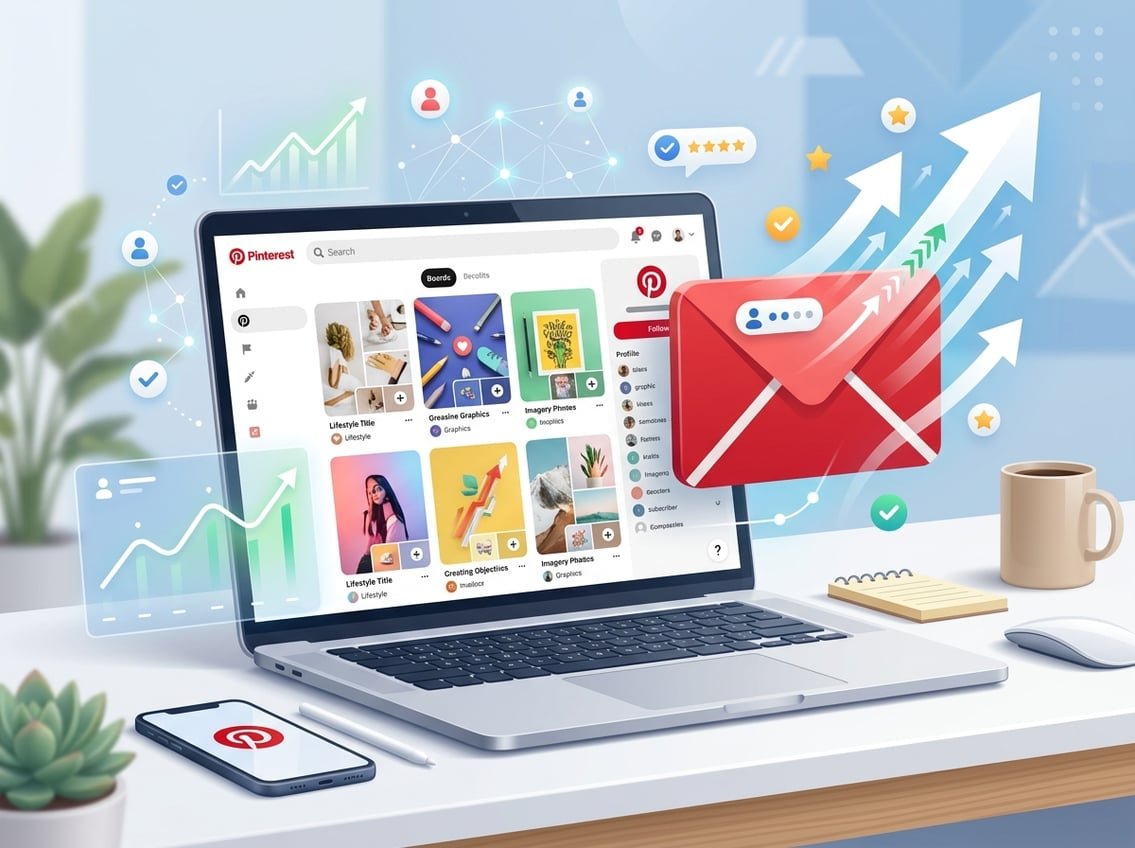
If you want to grow your email list with Pinterest fast, start with one clear free offer, one focused landing page, and one pin-to-opt-in path that matches the search intent behind every click.
That simple setup matters more than chasing followers or posting random designs. Pinterest rewards helpful content, and your job is to guide that traffic into an email list growth system you control.
Key Takeaways
- Use one lead magnet per clear problem.
- Make every pin match one landing page.
- Treat Pinterest as search-driven lead generation.
Build the Core Funnel Before You Pin Anything
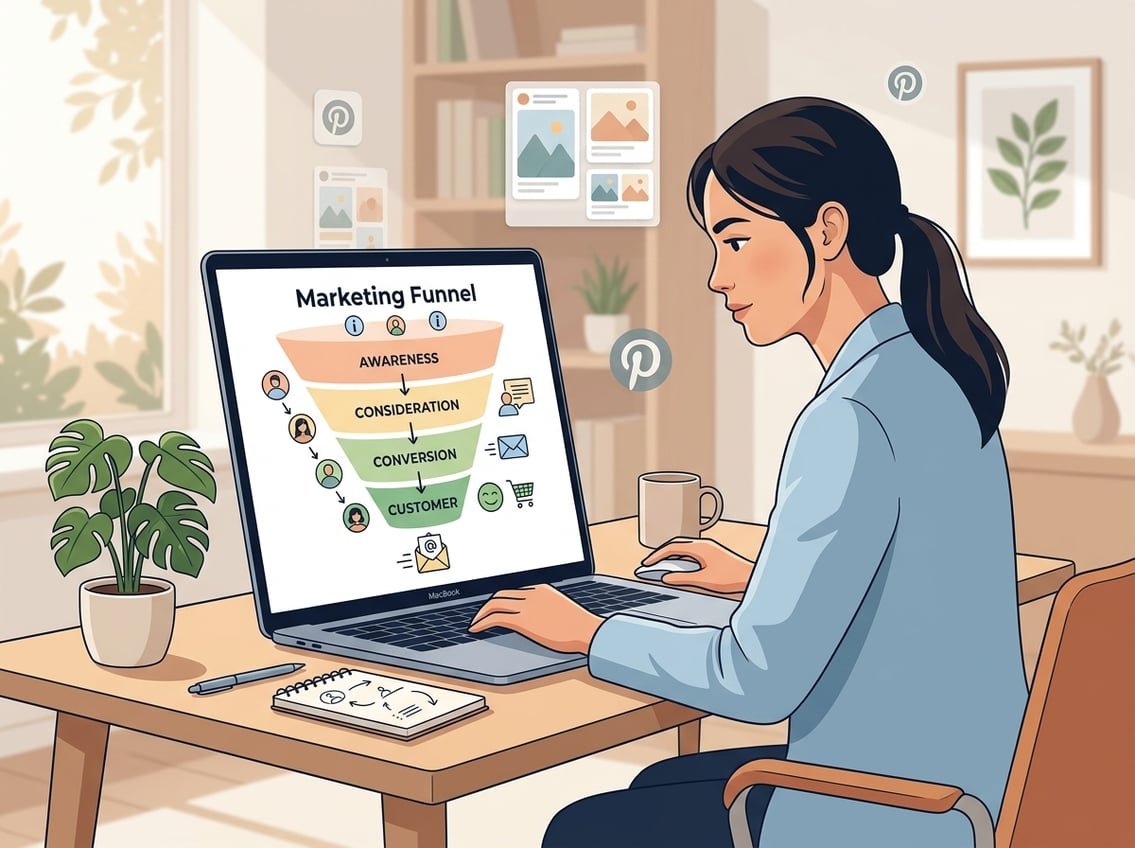
Before you publish a single pin, you need a simple path from click to signup. That path usually includes a lead magnet, an opt-in page, an email platform, and a welcome sequence.
If you skip this part, you may get Pinterest traffic without getting email subscribers. That is a common mistake I see with beginners.
Choose a Specific Lead Magnet That Solves One Problem
Your lead magnet should solve one narrow problem, not every problem. Good freebie ideas include checklists, ebooks, short guides, templates, or a free resource that gives a quick win.
For Pinterest, the best opt-in offers are easy to understand at a glance. A “Pinterest SEO Checklist” or “10-Day Blog Traffic Planner” usually converts better than a broad training workbook.
Create a Simple Landing Page and Opt-In Form
Your opt-in page should have one goal, which is getting the signup. Keep the headline clear, the copy short, and the form easy to find.
Use a dedicated lead magnet landing page instead of sending people to your homepage. Tools like ConvertKit, Flodesk, and Mailchimp all support basic email capture and delivery automation. The simpler the form, the better it tends to convert.
Connect Your Email Platform and Delivery Automation
Once someone joins, they should get the free download right away. Set up automatic delivery so the process feels smooth and professional.
A short welcome sequence helps new email subscribers know what to expect next. In my own testing, a clean delivery email plus 2 to 4 follow-up emails usually works better than sending people into a long, confusing onboarding flow.
Match the Offer to Your Blog, Affiliate, or Digital Product Goal
Your freebie should connect to the next step in your business. If you plan to sell digital products, your lead magnet should point toward that topic.
If you want affiliate income, choose a free resource that naturally leads into the tools you recommend. iProfitLab leans hard on this systems-first approach, because the best list growth usually supports a larger business plan, not just one pin.
Create Pinterest Content That Gets the Click

Your pin has one job, get the right person to click. That means your design, title, and text overlay should all make the free offer feel useful and specific.
Do not try to make every pin pretty in a general way. You want a clear promise that matches the landing page.
Design Pins Around Clear Benefits and Search Intent
Strong Pinterest pins usually start with the problem your reader wants solved. Use clear wording, simple layouts, and one main idea per pin.
You can build fast pin designs in Canva without spending hours. A clean pinnable image with one benefit statement usually works better than a crowded graphic with too many details.
Write Pin Titles and Text Overlays That Drive Action
Your pin title should include a useful keyword and a clear result. The text overlay should be easy to read on mobile and should explain what the user gets.
For example, “Free Pinterest Lead Magnet Checklist” is stronger than “Grow Faster.” If the pin feels vague, people scroll past it.
Use Multiple Pin Variations for the Same Offer
Do not rely on one pin design. Create several pin designs for the same lead magnet so you can test different angles, colors, and phrasing.
One version can focus on speed, another on simplicity, and another on results. That gives you more chances to connect with different parts of your Pinterest audience.
Add Strong CTAs Without Making the Pin Feel Spammy
A direct call to action works well when it feels natural. Phrases like “Download Free,” “Get the Checklist,” or “Grab the Free Resource” are clear and low pressure.
Keep the CTA tied to the promise of the pin. If the free download solves a real problem, the click feels helpful, not pushy.
Use Pinterest SEO to Reach the Right Audience
Pinterest works best when you treat it like a search engine. That means your keywords, profile, boards, and descriptions all need to match what people are already looking for.
The goal is not to get random views. The goal is to show up for searches that lead to email opt-ins.
Start With Pinterest Search and Keyword Research
Begin by typing your topic into Pinterest search and noting the suggestions. Those autocomplete phrases show what users already want.
Use that language in your Pinterest keyword research, then place the phrases in pin titles, pin descriptions, board names, and board description text. A strong Pinterest SEO setup helps the right people find your content faster.
Optimize Your Profile, Boards, and Pin Descriptions
Your Pinterest profile should tell people exactly what you help with. Your boards should also use searchable names, not cute names that no one would type into search.
A board like “Freebies Board” can work if it matches your niche, and the Pinterest business account setup gives you more useful tracking and features. Your board description and pin description should repeat your main keywords naturally.
Save Pins to the Most Relevant Board First
When you publish a new pin, save it first to the most relevant board. That gives Pinterest a stronger signal about the topic.
A focused pinterest strategy works better than scattering the same pin across unrelated boards. Relevant placement helps your content reach a better audience.
Track Visibility With Pinterest Analytics
Use Pinterest analytics to see which pins get impressions, clicks, and saves. Those numbers help you spot topics that attract attention.
I like to watch for the pin themes that lead to clicks, not just saves. Saves can feel good, yet clicks matter more when your goal is lead generation.
Turn Pinterest Traffic Into Email Subscribers
You do not grow your email list just by getting traffic. You grow it by making the opt-in path easy, clear, and matched to the pin promise.
This is where many creators lose good traffic. A strong pin can still fail if the landing page is weak.
Align the Pin Promise With the Landing Page Message
If the pin promises a checklist, the opt-in page should say checklist. If the pin promises a free guide, the page should say free guide.
That message match builds trust fast and helps convert Pinterest traffic into subscribers. Mismatched pages create doubt, and doubt lowers signups.
Reduce Friction on the Opt-In Page
Use a short headline, one clear benefit, and a simple form. Long pages with too much text often distract people from the signup.
If possible, keep the opt-in form short and place it above the fold. The easier the page feels, the more likely people are to complete the email opt-in.
Place Email Capture Opportunities on Blog Posts
If your pin points to a blog post, add signup boxes inside the post as well. That way, readers can join your list even if they do not click the main offer right away.
This works well when your blog supports the same topic as the lead magnet. It turns one piece of content into multiple conversion points.
Improve Conversion With Better Calls to Action and Follow-Up
Use one clear CTA on the page and repeat it only where it makes sense. Too many buttons can distract from the main offer.
After signup, send a short welcome sequence that gives value right away. That keeps your new email subscribers engaged and helps you grow your email list with Pinterest in a more reliable way.
Grow Faster With Scheduling, Testing, and Content Systems
A steady system will usually beat random bursts of activity. Pinterest growth compounds when you publish, test, and reuse what works.
You do not need to make this complex. You need a repeatable workflow.
Use a Consistent Publishing Workflow Instead of Random Pinning
Pick a simple schedule and stick to it. Create pins in batches, schedule them, and keep publishing new content tied to your best keywords.
That approach is easier to manage than daily guessing. It also fits a broader social media marketing plan without turning into busywork.
Test Offers, Creatives, and Keywords Over Time
Test one variable at a time when you can. Try different lead magnets, different pin titles, and different keyword angles.
A Pinterest masterclass style approach usually focuses on repetition and testing, not guesswork. Small changes can show you what your audience actually wants.
Use Tailwind and SmartLoop Without Overcomplicating the Process
Tools like Tailwind and SmartLoop can help you keep content moving. They are useful when you already have a clear system to repeat.
Do not use automation to hide weak content. Use it to distribute good pin designs and strong keyword research more consistently.
Repurpose Blog and AI-Assisted Content Into New Pin Assets
One blog post can become several pin concepts, quote images, checklist pins, and traffic-focused graphics. AI-assisted drafting can save time when you already know the message you want to promote.
This is where a systems-first approach pays off. iProfitLab often points readers toward tools and workflows that support recurring growth, not one-off wins.
Monetize the List With Long-Term Online Business Systems
Your email list should do more than collect names. It should support trust, traffic, affiliate offers, and digital products over time.
That is where Pinterest traffic starts turning into a real business asset.
Nurture New Subscribers With a Helpful Welcome Sequence
A short welcome sequence can introduce your best content, your story, and your main offer. It gives new subscribers a reason to keep opening your emails.
If you use ConvertKit, Flodesk, or Mailchimp, keep the flow simple and useful. Helpful emails build trust faster than hard selling.
Bridge From Freebie to Trusted Affiliate Recommendations
A lead magnet can introduce a topic, then your emails can recommend tools that help with the next step. This works well for SaaS affiliate programs, blogging tools, and creator software.
The key is relevance. If you promised help with blogging traffic, then your recommendations should match that promise.
Use Your List to Support Blog Traffic and Recurring Commissions
Your email list can send readers back to your blog, where they can find more content and more offers. That creates a loop between Pinterest, blogging, and list growth.
This is one of the best ways to build recurring income, because the traffic does not depend on one platform alone. Your list becomes the bridge between discovery and monetization.
Avoid Common Mistakes That Waste Pinterest and Email Momentum
Do not send all traffic to one generic homepage. Do not use vague pin titles. Do not create lead magnets that are too broad to feel useful.
Also avoid buying into random tactics that ignore strategy. Bad advice gets expensive fast, which is why a trusted, practical resource like the Free AI Income Starter Kit from iProfitLab can save you time when you are setting up your first system.
Frequently Asked Questions
What are the fastest Pinterest strategies for turning pin clicks into email sign-ups?
The fastest path is a strong lead magnet, a focused landing page, and a pin that matches the search intent. If those three pieces line up, your clicks are far more likely to become subscribers.
Which types of lead magnets work best when promoted through Pinterest?
Short, specific freebies usually work best, such as checklists, templates, mini-guides, and focused ebooks. Pinterest users want quick wins, so the offer should feel easy to use right away.
How should I set up landing pages to convert Pinterest traffic into subscribers?
Use one clear promise, one strong CTA, and a short form. The page should repeat the same language used in the pin so visitors know they are in the right place.
What Pinterest SEO and keyword tactics help your pins reach the right audience quickly?
Start with Pinterest search suggestions, then use those phrases in your pin title, description, profile, and board names. A Pinterest business account and clear board descriptions can also help you stay organized and visible.
How can I grow on Pinterest faster without paying for ads?
Post consistently, test multiple pin designs, and keep improving your keywords and landing pages. Tools like Tailwind can help with scheduling, yet the real growth comes from steady publishing and better conversion paths.
If Pinterest changes or declines, what alternative platforms can still drive email subscribers?
Blog SEO, YouTube, and short-form video can all support email list growth. The smart move is to build a system that uses Pinterest as one traffic source, not your only one.