Systems Every Online Business Needs to Grow start with one goal, give you a business that can handle more traffic, more leads, and more sales without turning into a mess. When you build the right systems early, you create business clarity, smoother workflow systems, and operations systems that support real business growth.
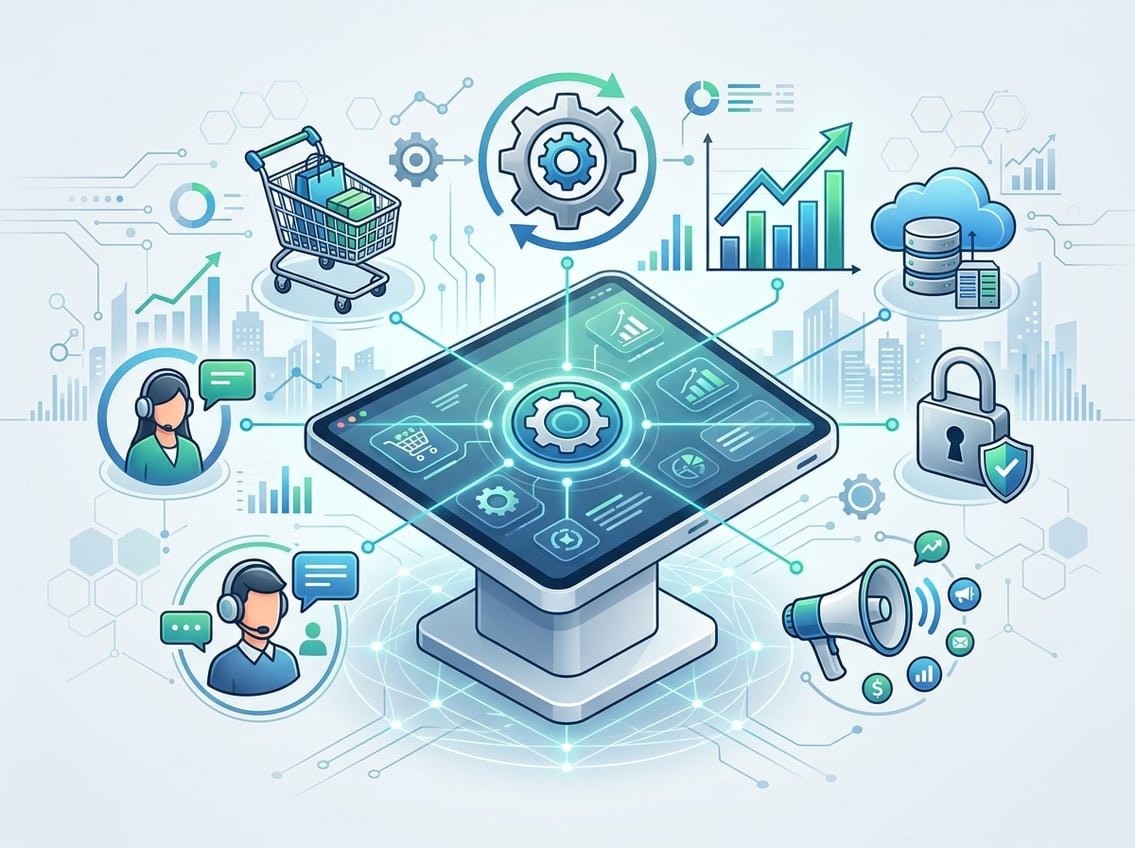
The fastest way to grow is not to do more tasks, it is to build simple systems that bring in traffic, capture leads, convert buyers, and keep daily work under control.
That matters even more if you are building with blogging, SEO, email marketing, affiliate offers, or AI tools. You do not need a corporate setup, you need a lean stack that compounds.
Key Takeaways
- Start with systems that bring in attention and owned leads.
- Make your content, sales, and operations repeatable.
- Keep your tools simple so you can scale without chaos.
The Three Core Systems to Build First
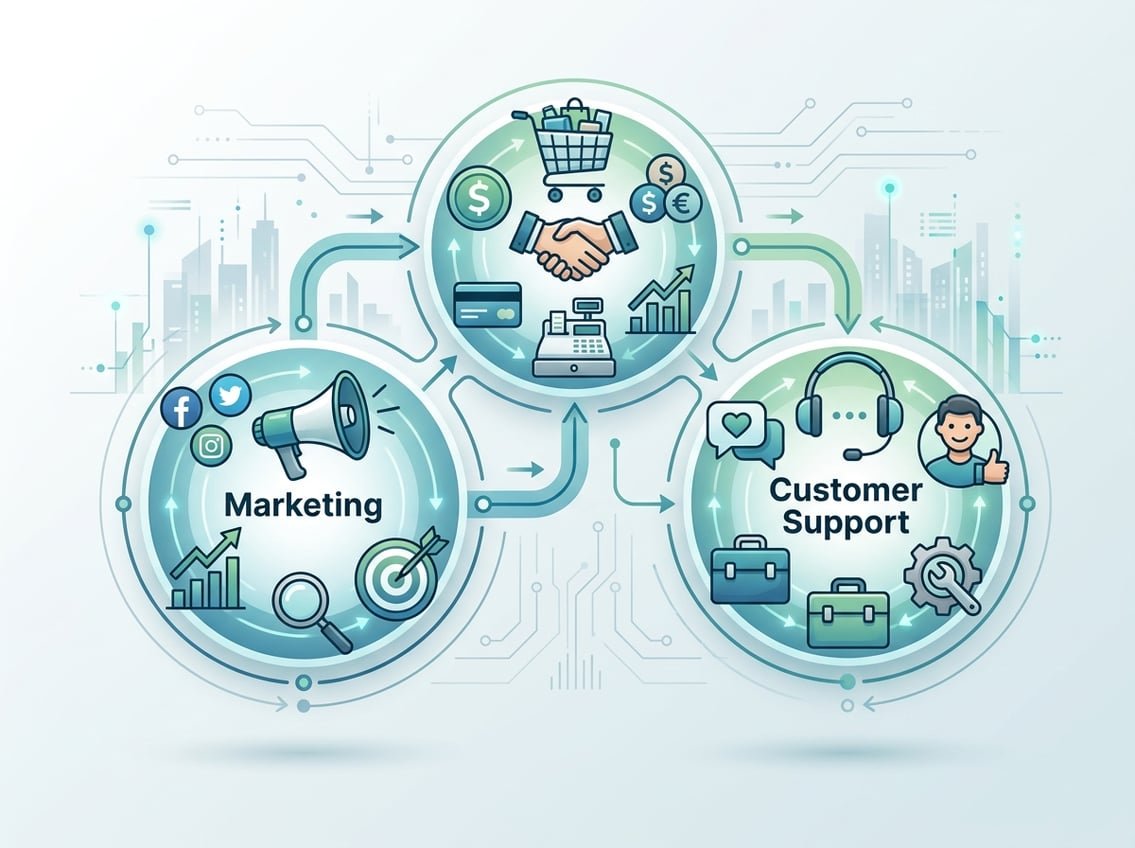
You need three systems before anything else feels stable, audience growth, lead capture, and conversion. If these are weak, every other part of the business feels harder than it should.
A lot of new creators chase tools before they build a clear path from attention to revenue. That usually leads to busy work instead of growth.
Audience Growth System
Your audience growth system is how people find you. For many online businesses, that starts with content marketing, search traffic, short-form video, Pinterest, or YouTube.
If you publish helpful content around one clear topic, you give people a reason to return. iProfitLab’s focus on blogging, SEO, and faceless content fits this model well because you are building assets that keep working after the post is published.
Lead Capture and Email Ownership
Once someone finds you, your next goal is to own the connection. Email marketing gives you a direct way to stay in touch without depending on social platforms.
A simple newsletter stack with a tool like Beehiiv for email list growth can work well for beginners. Keep the offer clear, like a checklist, starter guide, or free AI toolkit that matches what your reader already wants.
Conversion System for the Next Step
You also need a clear path for what happens after someone joins your list. That can be a blog post, a welcome sequence, a low-ticket offer, or an affiliate recommendation.
The main point is to remove confusion. If a reader signs up for help with blogging, your next step should point them to a relevant tutorial, template, or trusted tool, not a random pitch.
Content and Traffic Systems That Compound Over Time
Content works best when it is built like a system, not a series of random posts. When you repeat the same workflow and track what performs, your traffic becomes more predictable.
This is where evergreen content, analytics, and feedback loops matter. You are not just posting, you are building assets that can keep bringing in visitors and leads.
Blogging and SEO as Long-Term Traffic Assets
Blogging is one of the strongest traffic systems for lean online businesses because it compounds. A well-structured post can rank, bring in search traffic, and support affiliate income for months or years.
If you are creating SEO content, tools like Koala AI for blog post creation can help you move faster without sacrificing structure. Paired with solid keyword research and a clear internal linking plan, your blog becomes a traffic engine instead of a content dump.
Content Creation Workflow and Content Calendar
A content calendar keeps you from guessing what to publish next. It also helps you batch work, which is useful when you are managing your business alone.
I like a simple workflow, research, outline, draft, edit, design, publish. Tools like Canva for content design help you package posts, pins, and lead magnets without adding friction.
Analytics and Feedback for Better Content Decisions
You do not need complex tracking to make better choices, you need consistent review. Google Analytics and simple dashboards show which pages bring traffic, which pages hold attention, and which pages convert.
Use surveys and reader feedback to learn what people still do not understand. Small feedback loops make your content more useful, and better content usually means better decision making.
Monetization Systems for Predictable Revenue
Revenue becomes easier to forecast when your monetization is tied to repeatable systems. For online creators, that often means recurring billing, affiliate income, and a sales process that does not depend on constant manual effort.
Your job is to connect attention to revenue in a way that feels natural to the reader. That is where email nurture and clear offer positioning matter most.
Recurring Affiliate and SaaS Revenue Paths
Recurring affiliate programs can be strong because one referral can keep paying over time. That is why SaaS offers, email platforms, hosting, and creator tools often fit this model well.
If your audience is learning blogging or email marketing, your recommendations should match that journey. A beginner who joins for a free starter guide may later need Hostinger for affordable WordPress hosting or Invideo AI for faceless video creation, so the offer path should follow the problem they are trying to solve.
Email Nurture and Offer Positioning
Email marketing is where trust turns into action. A short welcome series can explain what you help with, share useful links, and introduce one main next step.
A basic CRM or customer relationship management setup also helps you track leads and offers. When you know what people joined for, your follow-up feels more helpful and less random.
Checkout, Invoicing, and Recurring Billing Basics
If you sell products, memberships, or services, your checkout flow needs to be simple. Recurring billing should be easy to understand, and invoices should be easy to find.
Use invoicing tools that keep payments organized and make forecasting easier. The fewer steps a customer needs to take, the fewer chances you have to lose the sale.
Operations Systems That Keep a Lean Business Running
Your business can grow faster when daily work is organized. Project management, clear documentation, and automation keep you from becoming the bottleneck.
This matters a lot for solo creators and small teams. Without operational structure, the work piles up even when revenue starts to improve.
Project Management and Weekly Execution
A weekly execution system is easier to maintain than a giant annual plan. Pick a project management tool, assign tasks, set deadlines, and review progress on the same day each week.
Tools like Asana, Basecamp, or Slack can support project tracking and progress tracking without making the process complicated. The goal is operational efficiency, not more admin work.
SOPs, Documentation, and Delegation
Standard operating procedures save time every time you repeat a task. Write down how you publish a blog post, edit a video, send a newsletter, or hand off a client task.
Use a knowledge base or document management system so answers are easy to find. When you are ready to delegate, good SOPs make the handoff faster and reduce errors.
Automation That Saves Time and Reduces Errors
Automation is most useful when it removes repeat work. Think about file naming, email tagging, form submissions, reminders, and content publishing steps.
You do not need to automate everything. Start with the places where you lose time every week, then add automation tools one at a time so the system stays simple.
Client, Customer, and Support Systems for Trust
Trust grows when people know what to expect from you. Clear client communication, fast customer support, and good feedback loops make your business feel reliable.
This is true whether you sell digital products, affiliate recommendations, or client services. People stay longer when they feel heard and supported.
CRM and Client Communication Workflows
A CRM keeps your leads, clients, and follow-ups in one place. That matters when your inbox starts filling up and you need a clearer view of who needs a reply next.
Use client communication workflows to set expectations early. A discovery call, welcome email, and simple client portal can reduce confusion from the start.
Customer Support and Client Collaboration
Support does not need to be complex to be good. A shared inbox, a clear file sharing process, and a simple intake form can solve many issues before they grow.
For feedback collection, tools like Typeform can make surveys easier to complete. I have found that simple forms get better responses than long, cluttered ones.
Feedback Loops That Improve Retention
Retention improves when you listen and adjust. If clients or customers ask the same question more than once, that is usually a sign your process needs to be clearer.
Keep a running list of support issues, objections, and repeat requests. Those patterns show you where your business needs stronger guidance or better documentation.
Financial and Tech Foundations for Scalability
If your finances and tech stack are messy, growth gets risky fast. Clean bookkeeping, secure tools, and simple integrations help you scale with less stress.
This is the part many creators ignore until tax season or a technical problem forces the issue. A little structure now saves time later.
Bookkeeping, Accounting, and Financial Reporting
Bookkeeping should be current, not something you clean up once a year. Good accounting software gives you a clear view of income, expenses, and profit.
Tools like FreshBooks or Sage can help with accounting, invoicing, and reporting. Add receipt scanning and payroll tools only when you actually need them.
Integrations, Security, and Backups
Your tools should talk to each other when possible. Clean integration reduces manual copy-paste work and lowers the chance of mistakes.
Security and backups matter just as much. Protect logins, store files in reliable systems, and keep backups of important assets so your business can recover quickly if something breaks.
Choosing a Simple Tool Stack That Can Scale
The best stack is not the biggest one, it is the one you can keep using as you grow. Choose tools that support automation, reporting, and scalability without forcing you into a complicated setup.
A lean stack is often enough for small business growth, especially when you are still building traffic and recurring income. If you want a simple starting point, the Free AI Income Starter Kit and the Recommended Tools page can help you narrow down what to use first.
Frequently Asked Questions
Which core business systems should I set up first to support sustainable growth?
Start with audience growth, email capture, and a clear conversion path. Those three systems help you get found, own the relationship, and turn attention into revenue.
How do I choose the right CRM to manage leads and customers as my online sales increase?
Pick the simplest CRM that lets you track contacts, follow-ups, and offer stages without extra clutter. If you are still small, focus on ease of use, email tagging, and basic automation before you worry about advanced features.
What automation tools save the most time without making the customer experience feel robotic?
Automate tasks that happen the same way every time, such as welcome emails, file sorting, reminders, and form routing. Keep the human parts, like sales calls and support replies, personal and direct.
How can I build a sales funnel that consistently turns website visitors into paying customers?
Give each visitor a clear next step, such as a lead magnet, newsletter signup, or relevant offer. Then use email nurture and useful content to move them toward a trusted recommendation or purchase.
Which analytics and tracking setup gives me the clearest view of what’s actually driving revenue?
Use Google Analytics for traffic data, then connect it with simple email and sales tracking. You want to see which pages bring visitors, which offers get clicks, and which actions lead to sales.
How do I document and standardize processes so I can hire help without losing quality?
Write each process as a short checklist with screenshots, links, and clear steps. Put those documents in one knowledge base so you can hand work off without repeated explanations.