A small email list can make money long before it becomes large, because the real value comes from trust, relevance, and how well your emails match what your readers need. If you know how to monetize a small email list, you can turn a tiny email list into an asset that earns through affiliate offers, simple products, services, and recurring income streams.
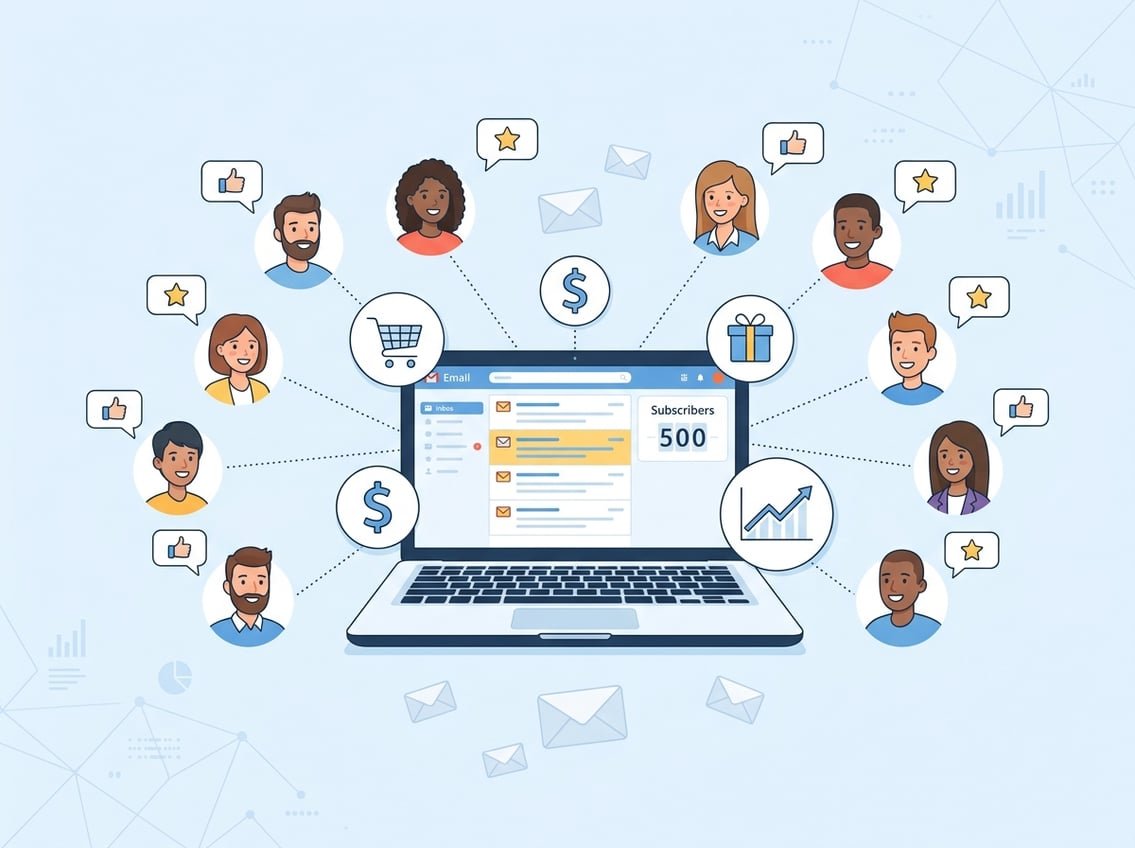
The best approach is simple: focus on an engaged email list, learn what subscribers want, and offer one useful next step at a time. When you do that, your revenue per subscriber can rise even if your list size stays modest for a while.
Many creators wait for a “big enough” list before they sell anything. That delay costs momentum, and it usually makes monetization harder later.
Key Takeaways
- Engagement matters more than raw subscriber count.
- Start with offers that match what your readers already want.
- Build recurring income as trust and traffic grow.
What Makes a Small List Ready to Earn
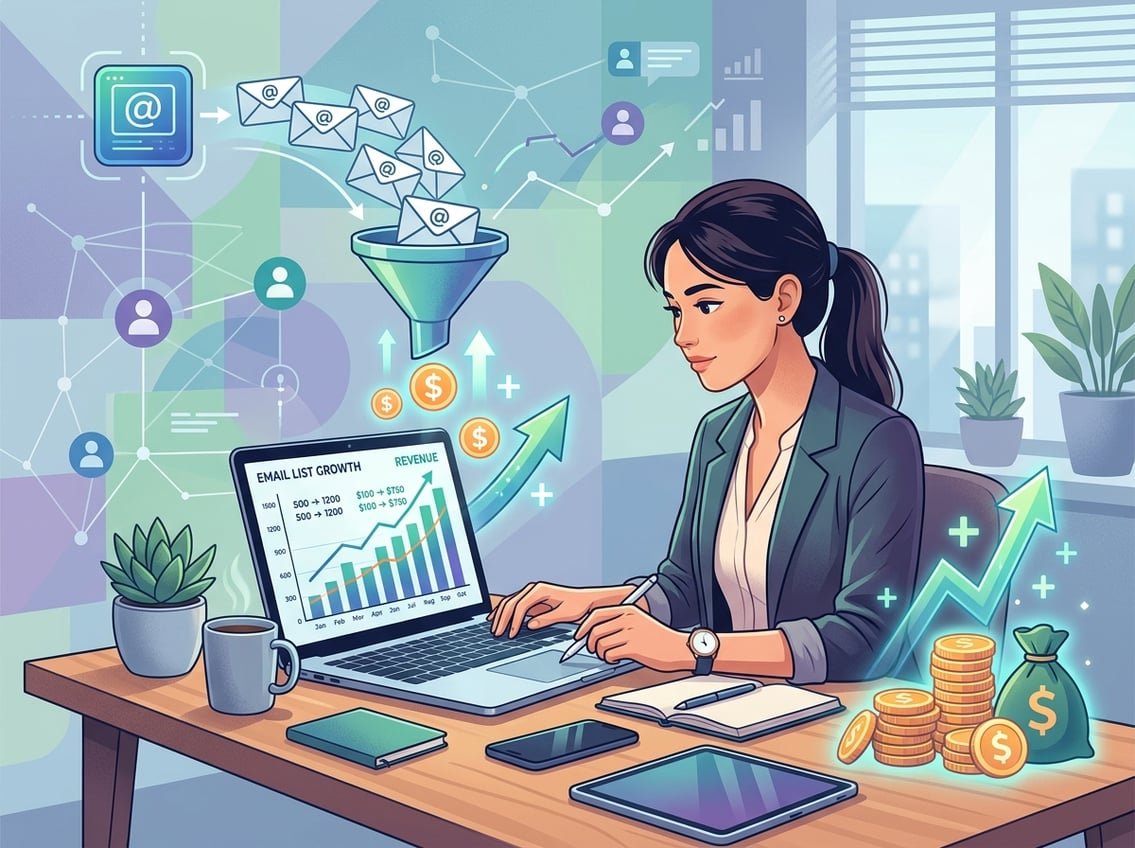
A small email list is ready when people open, click, and reply with real interest. You do not need a huge audience, you need readers who care about your email content and trust your lead magnets enough to keep showing up.
Why Engagement Matters More Than Subscriber Count
A tiny email list with strong engagement can outperform a larger cold list. If your readers open consistently and click on links, they are telling you your topic, tone, and offers are aligned.
That is why iProfitLab-style systems focus on compounding assets, not vanity metrics. A smaller audience that trusts you is easier to monetize than a bigger list that ignores your messages.
The Metrics to Check Before Making an Offer
Look at open rates, click-through rates, replies, and unsubscribes. A healthy list often shows steady opens, useful clicks, and few complaints.
Also check which emails get the most response. If one topic keeps getting clicks, that is a strong sign you can sell a related product or affiliate offer.
How to Learn What Subscribers Actually Want
Use a short poll, a simple reply request, or a click-based survey. Ask what they are trying to solve, what they have already tried, and what they would buy if it saved time.
Your lead magnets can also tell you a lot. If people join for one topic, they usually want more of the same kind of help, not random promotions.
Start With the Easiest Monetization Paths
The easiest way to earn from a small list is to start with offers that fit the reader’s current problem. That usually means affiliate marketing, a low-cost product, or a service that solves something clear and urgent.
Promote Relevant Affiliate Marketing Offers First
Affiliate marketing is often the fastest path because you do not need to create a product first. Choose tools, software, or resources that match your emails and solve the same problem your lead magnet promised.
For example, if your list joined for blogging help, a hosting offer or SEO tool can fit naturally. When the recommendation is useful, email monetization feels like service, not pressure.
Sell a Simple Digital Product or Tripwire Offer
A tripwire offer is a low-priced product that helps a new subscriber take action fast. That might be a checklist, template pack, swipe file, or short guide.
According to ThriveCart, small lists often do better with high-conversion funnels than volume-based ads. A simple digital product gives you control, keeps pricing low, and can raise revenue per subscriber without needing a huge audience.
Offer Done-for-You Services to Early Buyers
If your audience needs implementation more than information, done-for-you services can work very well. This could be blog setup, email setup, SEO help, content planning, or a niche-specific audit.
The first buyers often want speed and clarity. A small list is perfect for this because you can stay personal, answer questions, and make a direct offer to the people already paying attention.
Use Email Sequences That Build Trust and Sales
Strong email marketing does not depend on random promotions. It works best when your welcome sequences, follow-ups, and sales emails feel useful first and persuasive second.
How Welcome Sequences Warm Up New Subscribers
A welcome sequence should confirm the promise of your lead magnet, then show your best ideas. This is where you teach, build trust, and point readers toward one small win.
A simple flow works well: welcome, main problem, quick win, proof, and next step. Nurture-style sequences are often recommended because they build trust before the sale, as noted in email nurture sequence guidance.
Writing Email Content That Converts Without Feeling Pushy
The best email content sounds like useful advice from someone who has done the work. Keep the message focused, give one clear takeaway, and make the offer feel like the natural next step.
Short emails often convert better than crowded ones. If you keep your open rates and click-through rates in mind, you can test what works without spamming your list.
When to Segment, Pitch, and Follow Up
Segment when readers show different interests, such as clicking on SEO, AI, or affiliate links. That lets you send better offers to the right people.
Pitch after you have given enough context for the offer to make sense. Follow up once or twice with different angles, like a case study, a benefit recap, or a common objection response.
Add Recurring Revenue Streams as the List Grows
Once your list starts responding well, you can layer in recurring income. That is where a small email list becomes more valuable over time, because one subscriber can generate revenue more than once.
When a Paid Newsletter Tier Makes Sense
A paid newsletter works when your free emails consistently solve a clear problem and readers want deeper access. That may mean bonus content, templates, live breakdowns, or expert curation.
Platforms like beehiiv, ConvertKit, and Substack each support newsletter monetization in different ways. A paid newsletter tier makes more sense once your free list already shows strong engagement and repeat interest.
How Sponsored Emails and Newsletter Ads Work
Sponsored emails can work when your audience is niche and the sponsor offer matches your theme. You can also sell newsletter ads or short promo placements if your subscribers trust your recommendations.
Keep the fit tight. A relevant sponsor helps both sides, while a random promo can hurt your list quality and lower future revenue per subscriber.
Ways to Layer Membership and Subscriber Revenue
Membership sites, premium email tiers, and even a small digital tip jar can add recurring income without changing your whole business model. These work best when they add access, convenience, or a clear outcome.
As Mighty Networks notes, recurring revenue is built on repeated purchases over time. That is the goal when you want a list that compounds instead of resetting every month.
Choose the Right Platforms and Payment Setup
Your platform choice should make monetization easier, not more complicated. If you keep the stack simple, you will spend more time selling and less time fixing tools.
beehiiv vs ConvertKit vs Substack for Monetization
beehiiv is strong for newsletters, growth, and built-in monetization features. ConvertKit is useful if you want a flexible creator platform with strong automations.
Substack can be a good fit if you want a simple publishing model with paid newsletter support. The right choice depends on whether you want simplicity, automation, or built-in paid subscriptions.
Using Stripe to Accept Payments and Manage Offers
Stripe is useful when you sell digital products, services, or subscription access. It gives you a clean way to accept payments and connect checkout to your email system.
If you are starting small, pair one email platform with one payment tool and keep it there for a while. That reduces friction and makes your offer stack easier to manage.
When to Keep Monetization Simple Instead of Adding More Tools
Keep it simple when your list is still learning who you are and what you help with. Too many tools can slow down your execution and confuse your readers.
A basic setup, one lead magnet, one welcome sequence, one offer, often performs better than a complicated funnel. iProfitLab leans toward this kind of system because simplicity usually beats busy work.
Grow Profit Without Hurting Trust
You can increase revenue without pushing your list too hard. The key is to grow with quality traffic, protect trust, and avoid low-fit offers that damage your reputation.
How Blogging and SEO Support Email Revenue
Blogging and SEO bring in people who already want the topic you teach. That makes them a strong fit for email marketing, affiliate marketing, and future product offers.
This is why owned traffic matters. If your blog keeps attracting the right readers, your list keeps feeding itself with new subscribers who are more likely to click and buy.
What to Avoid With Solo Ads and Low-Quality Promotions
Solo ads can bring fast signups, but the quality is often weak unless the source is very well matched. Low-quality traffic can lower open rates, reduce clicks, and make your offers look worse than they are.
Sponsored emails also need care. If the promotion feels off-brand, your list will notice quickly, and that hurts long-term revenue per subscriber.
A Simple Monetization Roadmap for the Next 90 Days
Start with one lead magnet, one welcome sequence, and one relevant affiliate offer. Then add a simple digital product or service once you see steady clicks and replies.
In month two, test a second offer and segment your audience by interest. In month three, look at paid newsletter ideas, sponsor interest, or a recurring offer if your engagement stays strong.
Frequently Asked Questions
What are the best ways to start earning from an email list if I have fewer than 1,000 subscribers?
Start with affiliate marketing, a small digital product, or a service offer. These are the easiest ways to monetize an email list because they do not require huge volume, only trust and relevance.
How can I monetize my email subscribers without spending money on tools or ads?
Use the list you already have, one free lead magnet, and one simple offer. You can write a welcome sequence, promote a useful affiliate product, or sell a basic digital download with low setup cost.
How do I figure out what my subscribers will actually pay for?
Watch what they click, reply to, and ask about most often. If readers keep responding to one topic, that topic is usually the best place to build an offer.
How much revenue can a 1,000-subscriber email list realistically generate?
It depends on engagement, niche, and offer type. A focused list with strong open rates and good click-through rates can produce meaningful income, while a weak list may earn very little even at the same size.
What email frequency and content mix works best to drive sales without annoying subscribers?
A steady mix of helpful content and occasional offers works well for most small lists. Many creators do well with value-first emails most of the time, then a clear promotion when the offer matches the reader’s interest.
Which simple products or offers are easiest to sell to a small, niche audience?
Templates, checklists, audits, short guides, and niche services are usually easiest. If your list is highly targeted, recurring affiliate offers and a paid newsletter tier can also work well once trust is in place.