You can learn How to Add Affiliate Links Without Looking Spammy by treating every link like a helpful recommendation, not a sales push. That means placing affiliate links only where they match the topic, answer a real question, or support a decision your reader is already making.
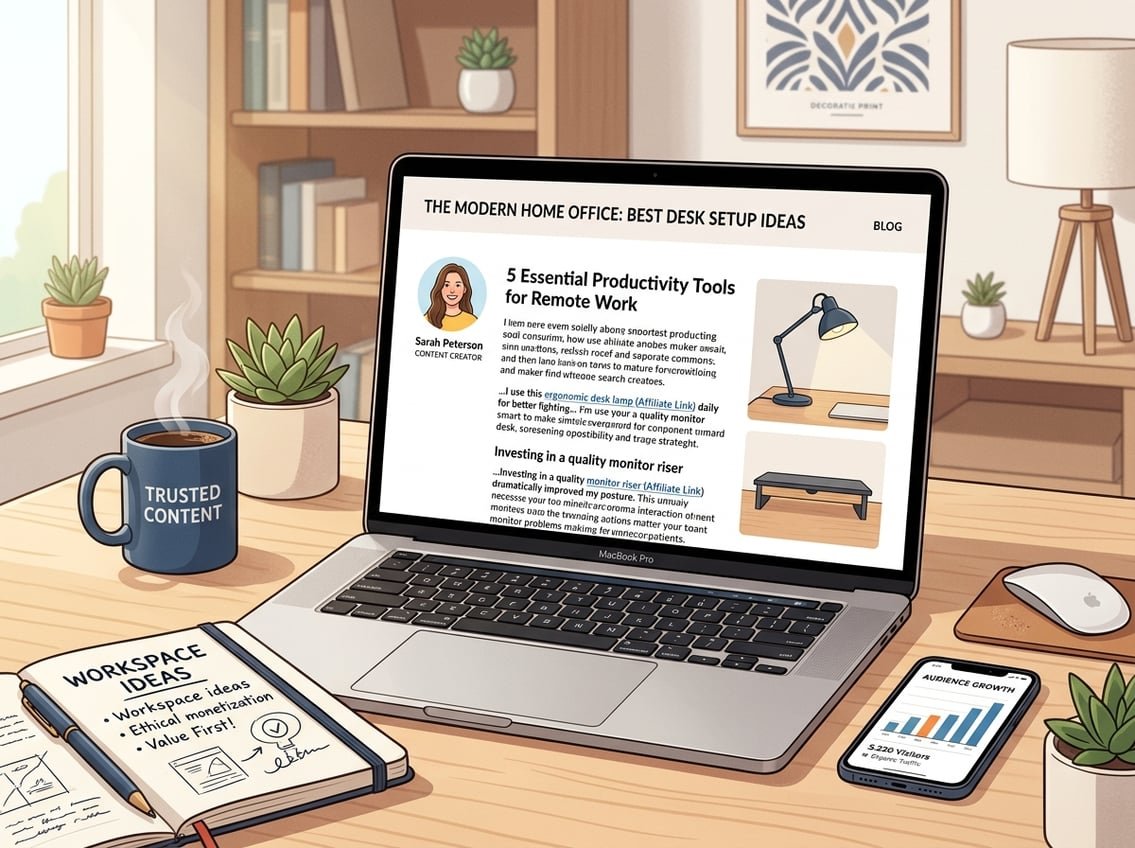
The goal is simple, your content should feel useful even if a reader never clicks a single link. When you build around that idea, your affiliate marketing feels more natural, your trust goes up, and your clicks usually improve too.
A spammy page usually tries to force the link first and earn trust later. A better page does the opposite, it gives value first, then uses affiliate links as a logical next step.
Key Takeaways
-
Put the reader’s problem first.
-
Add links where they fit the context.
-
Use trust, not pressure, to earn clicks.
What Makes Affiliate Content Feel Spammy
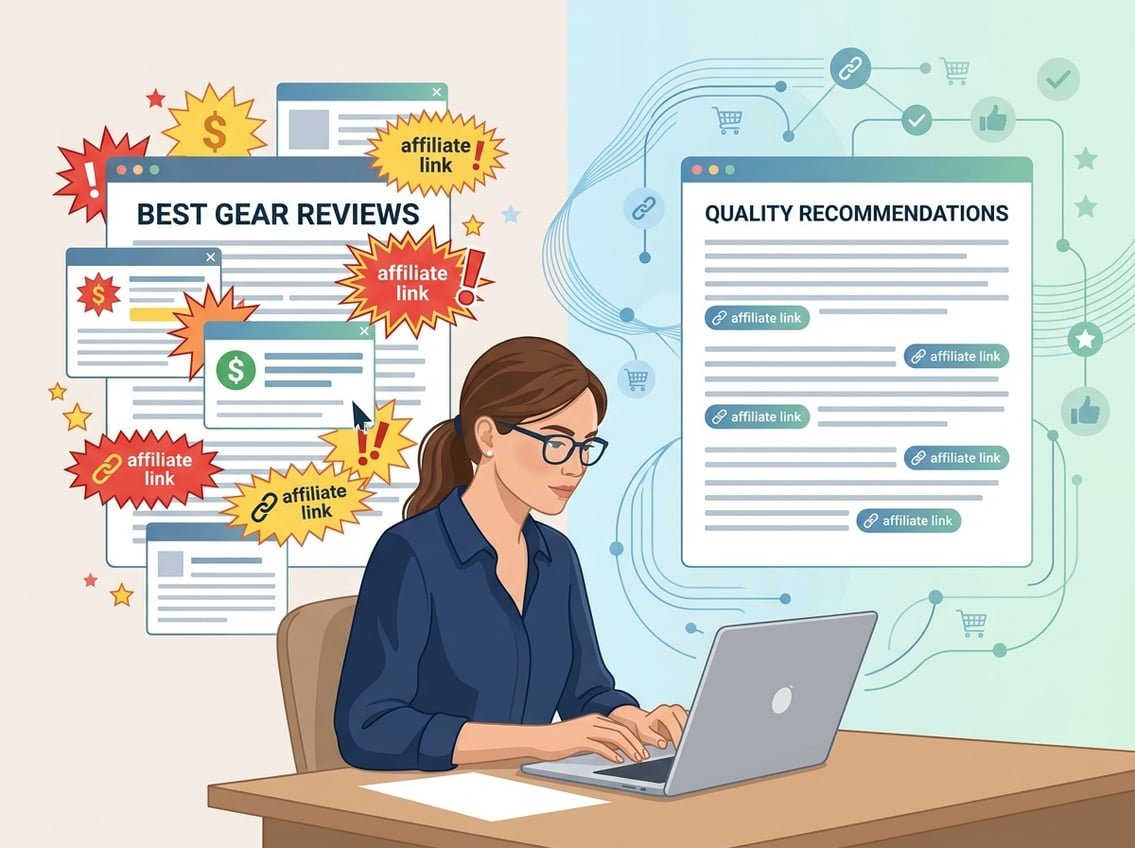
Affiliate links feel spammy when they interrupt the reader instead of helping them. The issue is rarely the link itself, it is the way it is used.
The Difference Between Helpful Recommendations and Link Dumping
Helpful content gives context before the link. You explain the problem, show the solution, then point to a product that fits.
Link dumping does the reverse. It throws in affiliate links with little explanation, which makes the page feel more like an ad than value-driven content.
Common Mistakes That Hurt Trust and Click-Through Rates
A few habits create instant friction:
-
Adding the same affiliate link in every paragraph
-
Repeating the product name without explanation
-
Pushing tools you never use or trust
-
Using hypey language like “must buy now”
-
Hiding the reason a link is there
These mistakes usually lower trust and reduce clicks. Readers want guidance, not pressure, especially in affiliate marketing where trust drives affiliate commissions.
Why Relevance, Context, and Timing Matter More Than Volume
One well-placed link can outperform five random ones. A link feels natural when it appears right after a useful explanation, a comparison, or a clear recommendation.
That is why value-first content works better than scattered promotions. The more relevant the link is to the reader’s current need, the less spammy it feels.
How to Place Links Naturally Inside Valuable Content

To embed affiliate links naturally, place them where they support the reader’s next step. The best spots are usually the ones where a decision, comparison, or action is already happening.
Use Tutorials and Problem-Solving Posts to Embed Affiliate Links Naturally
Tutorials work well because the reader is already looking for a fix. If you are showing how to start a blog, set up email, or publish SEO content, a tool link makes sense when it helps complete the task.
For example, a post about building a beginner blog can mention hosting, keyword tools, or an email platform at the exact step where the tool is needed. That feels useful, not forced.
Add Recommendations Inside Product Reviews and Product Comparisons
Product reviews and product comparisons are natural places for affiliate links because the reader expects your opinion. A clear product review can include the main link near the top, then again near the end after you have explained the fit.
Comparisons work well when you show who each option is best for. If you mention pros and cons honestly, readers can make a better choice and your affiliate link feels like part of the advice.
Include Honest Pros and Cons to Improve Credibility
A simple pros and cons list helps a lot. It shows that you are not hiding weak points just to earn a commission.
That kind of honesty matters in affiliate programs with recurring commissions, SaaS offers, and other long-term products. Readers are more likely to trust a recommendation when you admit where it is strong and where it may not fit.
Use Case Studies and Personal Examples to Support Recommendations
Case studies give your link a real reason to exist. When you show how a tool helped you save time, rank content, or send email to subscribers, the recommendation feels grounded.
In my experience, this is one of the easiest ways to avoid sounding spammy. A simple “I used this for my last blog post” usually works better than a polished sales pitch.
Best Channels for Sharing Links Without Overpromoting
The best way to promote affiliate links is to match the channel to the audience temperature. Warm readers can handle more direct recommendations, while cold traffic usually needs more education first.
Blog Posts and an Affiliate Site as Your Primary Trust Assets
A blog or affiliate site is still one of the best places to share affiliate links because it gives you room to explain, compare, and rank in search. That creates passive traffic over time, which is much better than chasing every click manually.
If you are building a simple content system, focus on evergreen guides, reviews, and comparison posts. iProfitLab leans on this kind of system for a reason, it gives you a stable base instead of constant promotion.
Email Newsletters and Email Courses for Warm Audience Promotion
Email is one of the cleanest places to promote affiliate links because readers already opted in. A short recommendation inside a newsletter, or a lesson inside an email course, can feel very natural when it fits the topic.
Use email courses for deeper education and newsletters for timely suggestions. If you are building an owned audience, this is one of the best ways to protect yourself from algorithm changes.
How to Share Affiliate Links on Social Media Without Looking Pushy
If you share affiliate links on social media, lead with a tip, result, or lesson first. People usually ignore direct sales posts, but they respond better when the post solves a small problem.
You can share the link in a comment, bio, or post when it supports the point you just made. For platform-specific rules and best practices, a clear breakdown like how to share affiliate links on social media can help you stay compliant and avoid easy mistakes.
Using Pinterest, YouTube, and Link-in-Bio Pages the Right Way
Pinterest and YouTube work well because they can send passive traffic for months. A useful pin, video, or tutorial can keep bringing visitors to the same affiliate site content long after you publish it.
Link-in-bio pages are useful when you want a clean hub instead of a messy profile full of random URLs. Keep the page organized, label the links clearly, and send people to your most relevant resource instead of everything at once.
Trust, Transparency, and Compliance Essentials
Transparency is not just about compliance, it is part of good affiliate marketing. Readers can tell when you are being open, and that usually makes them more comfortable clicking.
Where to Add Affiliate Disclosures So They Feel Clear and Professional
Add a disclosure near the first affiliate link, or at the top of the page before the reader reaches any recommendation. Keep it short and plain.
A simple statement like, “This post may contain affiliate links, which means you may get a small commission at no extra cost to you,” is enough in many cases. The goal is clarity, not clutter.
Why Only Relevant and Trusted Affiliate Programs Should Be Promoted
You do not need to promote every affiliate program you see. The best results usually come from a small list of relevant offers that match your audience’s needs.
That matters even more when you focus on recurring income, because a poor recommendation can hurt future trust. If a product does not fit your reader, leave it out.
How Honest Framing Supports Long-Term Affiliate Marketing Results
Honest framing helps readers feel safe. If you say who the product is for, who it is not for, and what result it can reasonably help with, your content sounds mature and useful.
That approach usually works better than hype because it supports repeat visits, newsletter signups, and long-term affiliate commissions. It also gives you a cleaner brand if you are building a blog or content business for the long haul.
Simple Optimization Tactics That Improve Clicks and Conversions
Once your links feel natural, a few small changes can improve clicks without making your content louder. Clean presentation and smart tracking often matter more than adding more links.
Use Pretty Links and Clean URLs for Better User Trust
Pretty links can make long affiliate URLs look cleaner and easier to share. That matters because a messy tracking link can feel suspicious, especially in email or on your affiliate site.
Just keep the link labels honest. A cleaner URL should improve trust, not hide what the link does.
Track Performance With Affiliate Dashboards and Content-Level Data
Affiliate dashboards show which links are getting clicks and which offers are converting. When you pair that data with page-level traffic data, you can see what content actually earns.
That makes optimization much easier. If one tutorial drives traffic but not clicks, you may need a clearer link placement or a better CTA.
Refresh Evergreen Pages to Grow Recurring Affiliate Earnings Over Time
Evergreen posts can keep earning if you update them. Refresh your best pages with new screenshots, better comparisons, updated tools, and improved internal links.
This is one of the easiest ways to grow affiliate earnings without constantly creating new content. A small update can turn an average page into a stronger recurring traffic asset.
Frequently Asked Questions
Where’s the best place to add affiliate links in a blog post so they feel natural?
The most natural spots are right after a useful explanation, inside a tutorial step, or near a recommendation the reader already needs. Intro, comparison, and conclusion placements can work well when they match the topic and flow.
How many affiliate links per page is too many before it starts looking spammy?
There is no perfect number, because relevance matters more than count. A page with a few strong, well-placed links often performs better than a page full of repeated links, especially when each link has a clear purpose.
What’s the best way to disclose affiliate links without hurting clicks or trust?
Keep the disclosure short, visible, and plain. Readers usually trust you more when you are direct, and that trust helps clicks in the long run.
How can I make affiliate links look cleaner, like short links or pretty links, without being misleading?
Use branded link tools or redirect plugins that keep the destination clear and honest. Clean links should make the page easier to read, not hide where the click goes.
What’s the most effective way to add affiliate links on Reddit without getting downvoted or removed?
Lead with useful advice first, then share a link only if it directly answers the post. Reddit users dislike obvious promotion, so your safest path is to contribute real value and follow each subreddit’s rules closely.
How do I protect my affiliate links from hijacking or unauthorized replacement?
Use trusted affiliate programs, check your links often, and monitor affiliate dashboards for unusual activity. If a platform offers link masking, subID tracking, or security tools, use them carefully and only when they do not create compliance issues.
If you want a simple system for choosing the right tools and building content that earns without feeling pushy, you can use the Free AI Income Starter Kit or review the Recommended Tools page for a more focused starting point.