You may think the best lead magnet ideas for affiliate marketing are the flashiest ones, but the ones that work best are usually the simplest. A strong lead magnet gives a specific person a fast win, earns trust, and starts an email relationship that can lead to recurring commissions over time.

If you are building affiliate income, your lead magnet is not just a freebie. It is the first step in a system that connects your traffic source, your audience’s intent, your email list, and your affiliate offer.
When your lead magnet matches what your visitor wants right now, you get better opt-ins, better email engagement, and better affiliate sales later.
Key Takeaways
- A lead magnet should solve one clear problem fast.
- Match the freebie to the traffic source and buyer intent.
- Your email follow-up does most of the revenue work.
What Makes a Lead Magnet Worth Downloading

A good lead magnet works because of a simple value exchange. You give a useful freebie, and your reader gives you permission to stay in touch through email.
The best lead magnet strategy is not about giving away more content. It is about giving the right content to the right person at the right moment in the customer journey.
Solve a Specific Problem Fast
Your freebie should solve one clear problem, not ten. A reader who wants to start a blog, pick an SEO tool, or choose an affiliate offer wants quick relief from confusion and decision fatigue.
A targeted lead magnet works because it gives a small win right away. That makes it much easier for your audience to trust your next affiliate recommendation.
Match the Offer to Search Intent and Buyer Persona
Your buyer persona matters more than your topic category. A beginner searching for “how to start a blog” needs a different freebie than someone comparing ConvertKit and Beehiiv.
When you match the freebie to search intent, your lead magnet feels natural instead of forced. That also improves the quality of the leads you collect.
Keep the Value Exchange Simple and Immediate
A strong freebie should be easy to understand in one sentence. If someone has to think too hard about what they get, opt-ins usually drop.
Best practices from lead generation tools and landing page testing show the same pattern, simple offers convert better than vague ones. That is why short checklists, templates, and cheat sheets often outperform oversized resource packs.
Connect the Freebie to the Next Affiliate Recommendation
Your lead magnet should point toward the next logical step in your affiliate strategy. If you offer a blog setup checklist, your follow-up sequence can naturally introduce hosting, SEO tools, or an email platform.
That connection matters because affiliate links work best when they support the problem the reader already wants to solve. If the freebie and the offer do not match, trust and conversion rates usually fall.
Lead Magnet Formats That Work Best for Affiliate Content
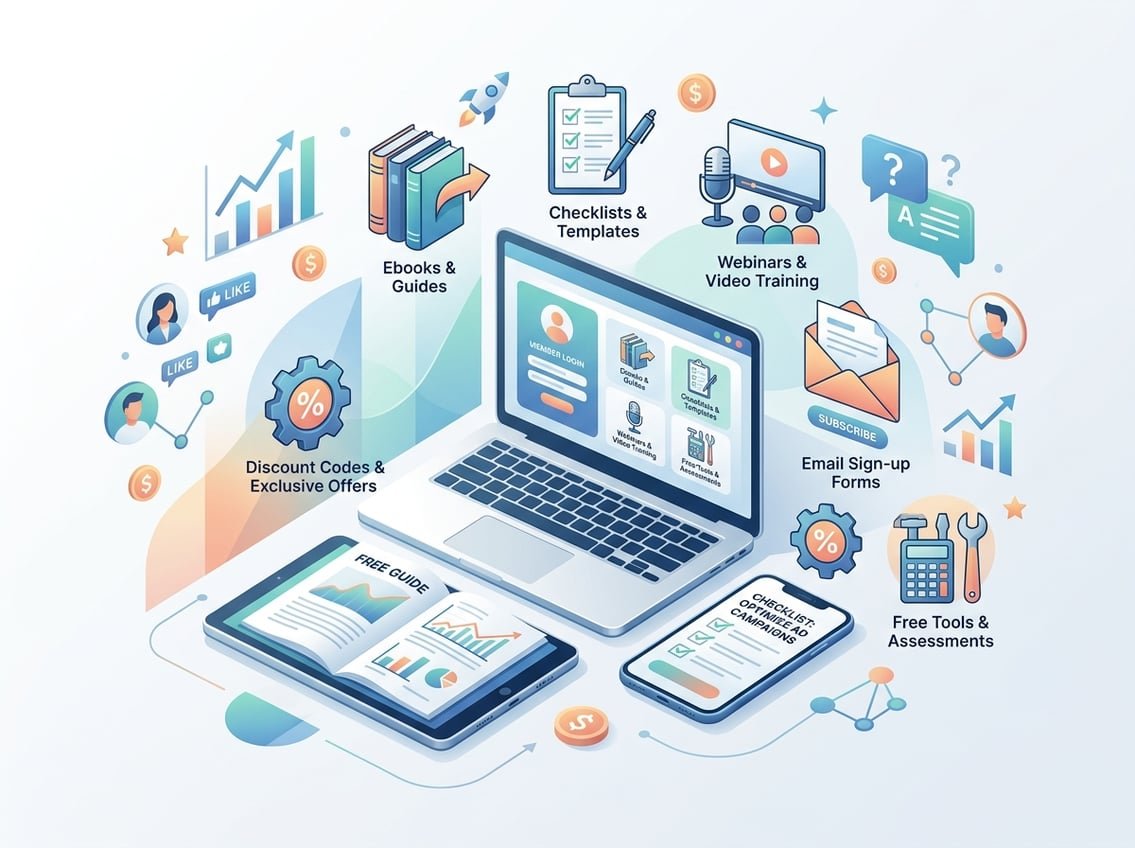
The best format depends on how your audience likes to learn and how much effort they want to make. Quick-win formats work well for cold traffic, while deeper formats work better when your audience already trusts you.
In affiliate marketing, the format should fit the offer. A checklist helps with action, while a guide or email course helps with education and buying decisions.
Checklists, Cheat Sheets, and Swipe Files for Quick Wins
Checklists are some of the best lead magnets for beginners because they are fast to create and easy to use. They work well for setup tasks, launch steps, and simple decision paths.
Cheat sheets and swipe files are also strong because they remove guesswork. If your reader wants blog post ideas, email subject lines, or Pinterest pin templates, a small practical resource can get used right away.
Templates, Worksheets, and Workbooks for Action-Takers
Templates help readers skip the blank page problem. Worksheets and workbooks are useful when you want your audience to apply what they learned and make progress quickly.
These formats work well for content planning, SEO mapping, affiliate review outlines, and email sequence planning. They also pair well with tools like ConvertKit when you want to guide people into a more complete system.
Guides, Ebooks, and Case Studies for Education-Driven Niches
If your audience needs more context before buying, a guide or ebook lead magnet can work well. This is common in blogging, SEO, AI tools, and SaaS affiliate marketing.
Case studies help when your audience wants proof. They show what worked, what changed, and what to expect, which makes later affiliate promotions feel more believable. According to Affroom’s guide on lead magnets for affiliate marketing, education-based offers and practical resources both help grow a targeted email list.
Quizzes, Webinars, and Email Courses for Higher Engagement
Interactive lead magnets can improve engagement because they feel personalized. Quizzes are useful when you want to segment readers by goal, skill level, or tool preference.
Webinars and email courses work best when the topic needs more explanation. As noted in Thinkific’s lead magnet ideas overview, video-based training can simplify harder concepts, which is useful if you are promoting a more complex software offer.
Free Trials, Free Tools, and Resource Libraries for SaaS Offers
For SaaS affiliate marketing, a free trial or free tool often matches buyer intent better than a generic PDF. People considering software usually want to test the product before they buy.
Resource libraries work well too, especially for bloggers and creators. A small library of SEO tools, content templates, or traffic resources can become a strong bridge into recurring commission offers.
Matching Lead Magnets to Traffic and Monetization Goals
Your traffic source changes what kind of lead magnet will convert best. Search traffic usually wants a direct answer, while social traffic may need more context or a quicker hook.
Your monetization goal matters just as much. A content upgrade for SEO traffic may need a different follow-up path than a lead magnet built for Pinterest or faceless video.
SEO Blog Posts and Content Upgrades
If your traffic comes from search, your lead magnet should match the exact keyword intent. A content upgrade inside a blog post often works better than a broad homepage freebie because it feels highly relevant.
For example, a post about “best hosting for affiliate blogs” can offer a hosting comparison checklist. That keeps your landing page aligned with the reader’s next likely step, which supports the marketing funnel and the sales funnel at the same time.
Pinterest and Social Traffic Lead Capture Paths
Pinterest and social traffic usually need a cleaner promise and a faster path to opt in. People clicking from these channels often scan first and decide quickly.
A simple landing page with one benefit, one form, and one next step can work well here. If you are using digital marketing on multiple channels, it helps to test different lead generation tools so you can see which traffic source brings the best first-party data.
Comparison Keywords and Decision-Support Assets
Comparison keywords are strong for affiliate sales because the reader is already close to making a choice. That makes them a good fit for decision-support lead magnets like checklists, buyer guides, or comparison charts.
This is where affiliate strategy and targeting meet. If someone is comparing tools, your freebie should help them choose, not overwhelm them with extra theory.
Faceless Content and Video Funnels for Tool Promotions
Faceless content and short videos work well for software and AI tools. A simple video demo can show the tool in use, then send viewers to a lead magnet that helps them get started.
That structure often improves conversion rates because the offer feels practical. It also makes it easier to move from free content to an email opt-in and then to an affiliate recommendation.
Building the Opt-In Funnel Around the Offer
A lead magnet works best when the opt-in path is easy to follow. Your call to action, landing page, thank you page, and follow-up emails should all support the same promise.
Good funnel design removes friction. It also gives you more room to improve opt-in rates and conversion rates over time.
Writing a Strong Call to Action and Opt-In Promise
Your call to action should say exactly what the reader gets. “Download the checklist” is fine, but “Get the 7-step blog launch checklist” is better because it is more specific.
The promise should be short, clear, and believable. If your opt-in sounds too big, your audience may ignore it.
Creating Landing Pages That Boost Conversions
A landing page should focus on one action only, the opt-in. Keep the page clean, add a short benefit list, and show the lead magnet clearly.
Tools like OptinMonster and ConvertKit are commonly used for this because they support forms, landing pages, and simple testing. In practice, a clear headline and a visible form matter more than fancy design.
Using Thank You Pages and Follow-Up Emails Strategically
Your thank you page should do more than say “thanks.” It can set expectations, offer the next step, or point readers to a helpful affiliate recommendation.
Follow-up emails do the real nurturing work. This is where you can explain the problem, share useful advice, and introduce tools that fit the reader’s goal.
Improving Conversion Rate With Testing, Triggers, and Display Rules
Small changes can lift performance. Test different headlines, images, button text, and form placements to see what helps your audience respond.
You can also use popups, slide-ins, welcome mats, triggers, and display rules to show the offer at the right time. When you test these with a tool like OptinMonster, you can often improve conversion rate without changing the lead magnet itself.
Nurturing Subscribers Into Recurring Affiliate Revenue
Email marketing is where your lead magnet turns into revenue. Your subscribers may not buy right away, so your job is to keep giving useful content while guiding them toward the right tool or offer.
This is one reason iProfitLab focuses so much on email list ownership and recurring income systems. A strong email path gives you more control than relying on social traffic alone.
Segmenting New Email Subscribers by Interest and Intent
Segmentation helps you send better emails. If one group wants blogging tools and another group wants AI software, they should not get the same promotions.
Use your opt-in topic, clicks, or quiz answers to separate subscribers by intent. That makes your affiliate marketing more relevant and usually improves affiliate sales.
Designing a Short Bridge Sequence Before Affiliate Promotions
A bridge sequence helps readers trust you before they see a promotion. A short series of 3 to 5 emails can explain the problem, share a quick win, and show why a tool or platform fits.
This works especially well when your lead magnet is educational. The goal is not to push a product too soon, it is to help the reader see the next step clearly.
Blending Email Broadcasts With Evergreen Automation
Evergreen follow-up emails handle the steady work, while email broadcasts let you respond to timely topics. Both can support the same affiliate strategy.
For example, one automation can welcome new subscribers, and later broadcasts can share seasonal content, new tool updates, or tutorials. That mix keeps your list active without making every message feel like a pitch.
Tracking What Improves Trust, Clicks, and Revenue Over Time
Track open rates, clicks, replies, and affiliate sales together. A lead magnet that gets sign-ups but no clicks may need a better follow-up sequence.
A lead magnet that attracts fewer leads but more buyers may be more valuable. The point is to measure the full path, not just opt-ins.
Lead Magnet Ideas by Affiliate Niche and Offer Type
Your best idea depends on the product you promote. A SaaS tool, a blog hosting offer, and a service-based offer all need different lead magnets.
If you organize your lead magnet by niche and monetization fit, you make the whole system easier to scale.
SaaS and Email Marketing Tool Promotions
For SaaS offers, try onboarding checklists, setup guides, or simple comparison sheets. These work well because software buyers want fast clarity before they start a free trial.
A lead magnet for email marketing tools can be a “newsletter launch checklist” or a “welcome sequence template.” If you promote platforms like ConvertKit, the freebie should help the reader start using the tool, not just admire it.
Blogging, Hosting, and SEO Tool Recommendations
Blogging offers work well with content calendars, keyword worksheets, and site setup checklists. These lead magnets help beginners move from idea to action.
SEO tools can also pair well with mini audits or keyword planning sheets. If your offer is hosting, a domain setup checklist or blog launch roadmap can make the next affiliate link feel useful rather than random.
AI Software and Automation Offers
AI tools are easier to sell when the lead magnet shows a real workflow. A prompt pack, content workflow template, or automation map can help the reader picture the result.
This type of freebie works because it reduces confusion. The reader sees how the tool fits into their work before they ever reach the sales page.
Discounts, Giveaways, and Bonus-Based Incentives
Discounts and giveaways can drive sign-ups fast, especially for product launches or special campaigns. Free shipping, partner referral discounts, and early access also work when the offer is time-sensitive.
Use these carefully, since they can attract deal-seekers instead of serious buyers. They work best when paired with a clear niche and a follow-up sequence that filters for intent.
Service-Led Offers Such as Free Consultation or Free Quote
If you promote service-based offers, a free consultation or free quote can be a strong lead magnet. It fits buyers who are closer to a decision and want personal help.
This works best when the landing page is clear about who the offer is for. A strong form, a simple promise, and a fast response process matter a lot here.
Frequently Asked Questions
What types of lead magnets work best for attracting affiliate marketing subscribers?
The best lead magnets usually solve one specific problem and connect directly to your affiliate offer. Checklists, templates, cheat sheets, and short email courses tend to work well because they are easy to consume and easy to act on.
What are some beginner-friendly lead magnet ideas that I can create quickly?
A simple checklist, a one-page cheat sheet, or a blog post template are all strong beginner options. You can create these fast in Google Docs, Canva, or a simple landing page tool, then improve them later as you learn what your audience wants.
How can I create a high-converting lead magnet for free without expensive software?
Start with one problem, one promise, and one format. You can build the freebie in Canva or Google Docs, deliver it with a basic landing page, and use free or low-cost email tools to send the follow-up sequence.
Should my lead magnet be a PDF, a checklist, a template, or a mini-course, and how do I choose?
Choose the format that matches the buyer’s next step. If the reader needs speed, use a checklist; if they need a starting point, use a template; if they need more learning, use a short mini-course or email course.
What are some real-world lead magnet funnel examples that convert well for affiliate offers?
A blog launch checklist that leads to hosting and SEO tools is a common example. Another strong one is a newsletter setup guide that leads into an email platform affiliate offer, since the lead magnet and product solve the same problem.
What tools and templates can I use to design and deliver lead magnets efficiently?
You can use Canva for design, Google Docs for fast drafting, and an email platform like ConvertKit for delivery and automation. If you want more guidance, iProfitLab’s Free AI Income Starter Kit is a useful starting point for building a simple system around content, email, and affiliate revenue.